
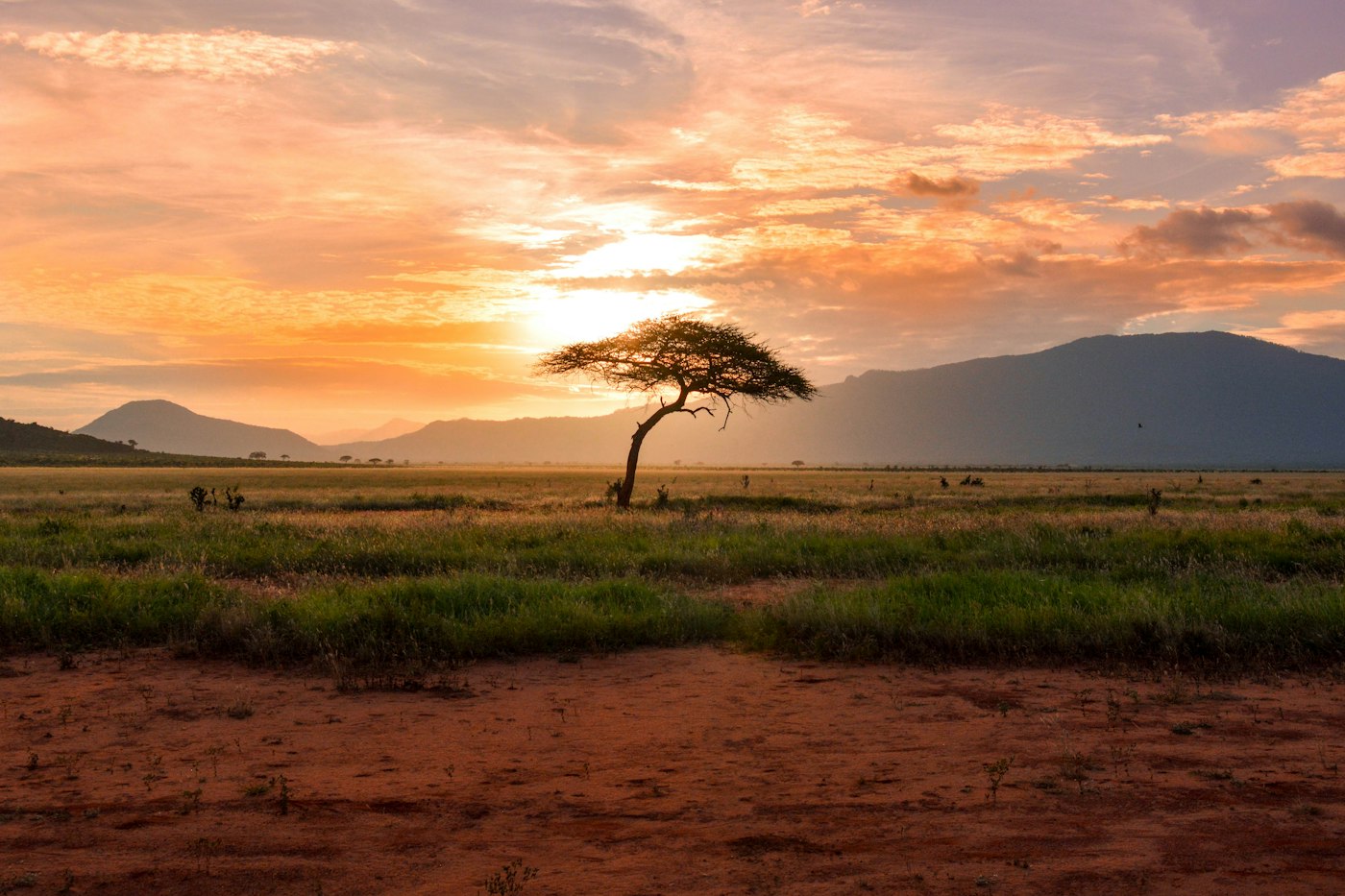
Explore the Seven Churches of Revelation & the Ancient Kingdoms of Western Anatolia

Few journeys in the world manage to compress so much of human history into a single day. This full-day tour from Istanbul takes you deep into Manisa Province, where four extraordinary ancient cities rise from the landscape of Western Türkiye — each one a chapter in a civilisation story spanning more than three thousand years.

You will stand inside Philadelphia (Alaşehir), one of the Seven Churches of Revelation praised in the New Testament for its steadfast faith. You will walk the marble-paved streets of Sardis, the glittering capital of the Lydian Kingdom where coinage was invented and Croesus reigned as the wealthiest king of the ancient world. You will trace the Roman-era ruins of Thyatira, a centre of commerce, purple-dye trade, and early Christianity. And you will discover the breathtaking hilltop ruins of Aigai, one of the Twelve Aeolian Cities celebrated by Herodotus and only recently brought to wider attention through ongoing excavations.

Whether you are a Christian pilgrim following the footsteps of the Apostle John, an archaeology enthusiast fascinated by Hellenistic and Roman remains, or a cultural traveller seeking the living layers of Anatolian civilisation, this tour is tailored to provide an in-depth, expert-guided experience with comfortable, fully organised transport from your Istanbul hotel.

Tour Type
Historical & Biblical
Day Trip
Departure
05:00
Hotel Pickup, Istanbul
Return
~21:20
Istanbul Hotel Drop-off
Group Size
Flexible
Private & Group Options
Guide
Licensed Expert
English Speaking
Customisation
Available
Tailor-Made Itineraries

Tour Highlights

  • Visit Philadelphia (Alaşehir) — one of the Seven Churches of Revelation praised for unbroken faith
  • Explore Sardis, the opulent capital of the Lydian Kingdom and birthplace of the world's first minted coins
  • Discover Thyatira — a key early Christian city and home of Lydia, mentioned in the Acts of the Apostles
  • Examine the Thyatira Hill Tombs (Tepe Mezarı) — rare Hellenistic–Roman burial monuments
  • Ascend to Aigai Ancient City, one of the Twelve Aeolian Cities with a stunning hilltop theater and panoramic views
  • Convenient round-trip flights from Istanbul to İzmir included
  • Professional licensed guide throughout — available in English
  • Available as private or group tour — fully customisable for pilgrimages and special groups

The Ancient Cities You Will Visit

Each site on this tour carries centuries of layered history. Here is a detailed look at what makes each destination unmissable — and what you will see when you arrive.

Byzantine church ruins at Philadelphia (Alaşehir), one of the Seven Churches of Revelation in Turkey
Seven Churches of Revelation

Philadelphia (Alaşehir)

Praised in the Book of Revelation as the city with an "open door" that no one could shut, Philadelphia remains one of the most spiritually significant sites in all of Christendom.

Historical Background

Philadelphia was founded in the 2nd century BC by Attalus II Philadelphus, King of Pergamon, who named the city in honour of his brother's loyalty — hence "City of Brotherly Love." Strategically positioned on the trade and military highways of Asia Minor, it was traversed by Persian armies, Alexander the Great, the Seleucids, Romans, and Byzantines in turn.

The city adopted multiple names through the ages — Neocaesarea under Tiberius and Flavia under Vespasian — before reverting to Philadelphia. It was one of the seven cities that received letters in the Book of Revelation (Revelation 3:7–13), and uniquely among the seven, received no rebuke — only praise for keeping Christ's word and enduring with patience.

Philadelphia converted to Christianity remarkably early and maintained a functioning bishopric through the Byzantine era. The city endured multiple severe earthquakes (notably in AD 17) and was rebuilt repeatedly, demonstrating the resilience celebrated in Revelation. It became the final Byzantine stronghold in Anatolia, holding out against the Ottomans until 1390.

What to See: The most striking visible remains are the brick piers and arches of a 6th-century Byzantine basilica rising dramatically from the modern town of Alaşehir. Archaeological fragments of columns, capitals, and mosaic floors indicate the former grandeur of Philadelphia's Christian heritage. The site blends ancient ruins with the living modern city in a uniquely atmospheric way.

Towering marble columns of the Temple of Artemis at Sardis ancient city, capital of the Lydian Kingdom
Capital of the Lydian Kingdom

Sardis Ancient City

The legendary seat of King Croesus and the Lydian Empire — birthplace of the world's first coinage and a city of staggering archaeological richness spanning 5,000 years of continuous habitation.

Historical Background

Sardis (modern Sart) was the capital of Lydia, one of the most prosperous kingdoms of the ancient world. The Lydians are credited with a world-changing invention: minted coinage, produced from electrum (a natural gold-silver alloy) found in the Pactolus River flowing through the city. This innovation, dating to the 7th century BC, transformed global commerce permanently.

King Croesus of Sardis (reigned c. 560–547 BC) became synonymous with extraordinary wealth — the origin of the phrase "rich as Croesus." His kingdom fell to Cyrus the Great of Persia in 547 BC, after which Sardis became an important Persian satrapy and the western terminus of the Royal Road from Susa. The city subsequently passed to Alexander the Great (334 BC), the Seleucids, the Kingdom of Pergamon, and then Rome, accumulating architectural layers at every stage.

Archaeological excavations, conducted by Harvard and Cornell Universities since 1958, have uncovered one of the largest synagogues in the ancient world (capacity ~1,000 people), indicating a thriving Jewish community. Sardis also received one of the seven letters in the Book of Revelation (Revelation 3:1–6), though unlike Philadelphia it was warned about spiritual complacency.

What to See: The colossal Temple of Artemis — one of the largest Greek temples ever built — with two of its original 78 columns still standing, over 17 metres tall. The Roman Gymnasium and Bath Complex (Marble Court) is among the finest such structures in Anatolia. The Ancient Synagogue, the Byzantine shops lining the colonnaded street, and the Lydian-era gold refinery on the Pactolus River banks are equally compelling. Sardis is on Türkiye's UNESCO Tentative World Heritage List.

Archaeological burial site and hillside tombs at Thyatira (Tepe Mezarı) in Akhisar, Manisa Turkey
Hellenistic–Roman Necropolis

Thyatira Hill Tombs (Tepe Mezarı)

Ancient burial monuments on the outskirts of modern Akhisar offer a rare and evocative glimpse into the funerary traditions and cultural life of the Hellenistic and Roman inhabitants of ancient Thyatira.

Historical Background

The Thyatira Hill Tombs (locally known as Tepe Mezarı) are located on the hillsides surrounding modern Akhisar, the site of ancient Thyatira. Necropoli of this kind typically lay outside city walls according to Graeco-Roman custom, and the tombs here reveal burial practices across multiple periods — from the Hellenistic (323–31 BC) through the Roman imperial era.

The tomb types vary from simple rock-cut graves to more elaborate chamber tombs, reflecting both the economic status and the cultural affinities of the deceased. Grave goods recovered from such sites across Lydia typically include pottery, coins, terracotta figurines, and jewellery, providing archaeologists with critical dating evidence and insight into daily life and religious belief.

What to See: Rock-cut chamber tombs, burial mounds, and archaeological surface finds in their landscape context. The site provides an important complement to the urban ruins of Thyatira itself, offering a more intimate and contemplative archaeology experience away from the busy modern town centre.

Ancient Roman columns and archaeological remains of Thyatira ancient city in Akhisar, Turkey
Seven Churches of Revelation

Thyatira Ancient City (Akhisar)

A thriving commercial hub of the Lydian and Pergamene kingdoms, Thyatira is celebrated in Revelation and linked to Lydia of Thyatira — Europe's first recorded Christian convert — making it a cornerstone of biblical history.

Historical Background

Ancient Thyatira (modern Akhisar, meaning "White Castle") was founded, according to Strabo, as a Macedonian colony after Alexander the Great's campaigns. The city thrived under the Kingdom of Pergamon and later became a prosperous Roman provincial town, renowned especially for its purple dye and textile trade — a craft guild culture that dominated much of its economy.

The city's most famous biblical connection is Lydia of Thyatira, described in Acts 16:14 as "a seller of purple cloth" whom the Apostle Paul met in Philippi. She became the first documented Christian convert in Europe, her household baptised shortly thereafter. This makes Thyatira uniquely significant in the story of Christianity's westward expansion.

The letter to Thyatira in Revelation (Revelation 2:18–29) is the longest of the seven, acknowledging the community's love, faith, and service while warning against tolerating false teaching — a reference scholars believe points to the influence of trade guild religious practices in the city.

What to See: Excavated sections of the ancient agora, Roman-period column bases, capitals, and street paving integrated into the modern urban fabric of Akhisar. A small outdoor archaeological park preserves key structural remains. The site is atmospherically unique — ancient stones directly beside contemporary Turkish daily life.

Panoramic hilltop ruins of Aigai ancient theater, one of the Twelve Aeolian Cities in Western Anatolia Turkey
Twelve Aeolian Cities · Hidden Gem

Aigai Ancient City (Aeolis)

Perched dramatically on a rocky highland above the Aegean coastal plain, Aigai is Western Türkiye's most spectacular lesser-known archaeological site — a Hellenistic city with a breathtaking theater, intact city walls, and ongoing excavations full of new discoveries.

Historical Background

Aigai (also spelled Aigai or Aegae) was one of the Twelve Aeolian Cities listed by the ancient historian Herodotus (Histories, 1.149) — a confederation of Greek settlements along the Aegean coast of Asia Minor. Founded in the early 1st millennium BC and flourishing from the 8th century BC onward, Aigai became a prosperous Hellenistic commercial and administrative centre.

The city sits on a commanding ridge approximately 600 metres above sea level, offering extraordinary strategic advantages and panoramic views across Manisa Province to the Aegean beyond. This altitude also meant relative isolation, which paradoxically preserved Aigai's ruins far better than many lower-lying sites continuously inhabited through later periods.

Excavations, conducted by Turkish archaeologists since the 1990s and intensifying in the 2010s, have steadily revealed the city's layout: agora (marketplace), bouleuterion (council chamber), gymnasium, city walls with towers, residential quarters, and a remarkably preserved Hellenistic theater. The famous Vomitorium — a vaulted entrance tunnel to the theater — is one of the finest examples of its kind in Türkiye. A marble-paved sacred road leading to a temple precinct has also been uncovered.

The city declined after the Roman period and was largely abandoned, which is precisely why it survives so well. Recent excavations continue to yield new finds, making every visit to Aigai potentially coincide with an active dig.

What to See: The Hellenistic theater, the Vomitorium entrance vault, city walls and towers, the agora complex, market buildings, sacred road, and sweeping mountain panoramas. Aigai is one of the few sites in Türkiye where visitors can feel genuine archaeological adventure — away from crowds, amid active discovery.

Your Full-Day Schedule

A carefully paced day from hotel pickup to hotel drop-off, maximising your time at each ancient site.

05:00

Hotel Pickup — Istanbul

Your private vehicle will collect you from your Istanbul hotel lobby at 05:00 and transfer you to Istanbul Airport. Our representative will be waiting in the hotel foyer with a name sign. Please be ready in the lobby five minutes before departure.

Travel Tip

Dress in comfortable, layered clothing. Archaeological sites involve significant walking on uneven terrain. Wear closed-toe shoes. Sunscreen, a hat, and a reusable water bottle are strongly recommended for all seasons.

Board your morning flight from Istanbul to İzmir (Adnan Menderes Airport). Flight duration is approximately 1 hour 10 minutes. In-flight refreshment service is typically available. Your guide will ensure smooth airport procedures on both ends of the journey.

Upon landing at İzmir Adnan Menderes Airport, your licensed guide will greet you at the arrivals hall. You will be introduced to your comfortable tour vehicle and driver, and the day's programme will be briefly outlined before departing into Manisa Province.

Your first stop is Philadelphia, modern-day Alaşehir, approximately 90 km east of İzmir. Your guide will bring to life the city's remarkable story — from its Hellenistic founding by the Pergamene kings, through its pivotal role in early Christianity, to its famous resistance as the last Byzantine city in Anatolia.

Explore the dramatic ruins of the 6th-century Byzantine basilica whose massive brick piers still dominate the modern townscape. Your guide will read aloud the relevant passage from Revelation 3:7–13 at the site, making the scripture tangible in a uniquely moving way.

Key Highlights at Philadelphia

Byzantine basilica ruins · Hellenistic city foundations · Ancient colonnaded street fragments · Archaeological museum displays · Early Christian pilgrimage atmosphere · Significance of the "open door" letter in Revelation

Arrive at Sardis, one of the most significant archaeological sites in the entire Mediterranean world. The visual impact is immediate: the colossal columns of the Temple of Artemis rise against a dramatic backdrop of the Tmolus Mountain range. Your guide will take you through the site's 5,000-year history and explain the pioneering excavations that have reshaped our understanding of the ancient world.

A brief lunch break at a local restaurant near the site is planned here, with typical regional Aegean cuisine.

Key Highlights at Sardis

Temple of Artemis (monumental columns) · Roman Gymnasium & Marble Court · Byzantine-era shops · Ancient Synagogue · Lydian gold refinery site on the Pactolus River · Overview of Lydian coinage invention · UNESCO Tentative Heritage Site status

Continue to Akhisar, the site of ancient Thyatira. Begin with the Thyatira Hill Tombs (Tepe Mezarı), ancient burial monuments on the city's outskirts that offer insight into the funerary traditions of the region's Hellenistic and Roman inhabitants. Then proceed into the town centre to explore the excavated remains of Thyatira itself — its agora, columns, and Roman-era street network.

Your guide will recount the story of Lydia of Thyatira and the significance of Thyatira's prominent letter in the Book of Revelation, connecting the ancient textile trade routes of Asia Minor to the earliest spread of Christianity into Europe.

Key Highlights at Thyatira

Thyatira Hill Tombs (Tepe Mezarı) · Roman-era agora remains · Ancient colonnaded street · Connection to Lydia of Thyatira (Acts 16:14) · Revelation 2:18–29 letter context · Purple dye and textile trade history

The final and arguably most spectacular stop of the day: Aigai. As you ascend the winding road to this hilltop city, the view across Manisa Province unfolds magnificently. Walk through the Vomitorium entrance vault into the Hellenistic theater — one of the finest and most intact in Western Türkiye. Your guide will explain the ongoing excavations and the significance of Aigai as one of Herodotus's Twelve Aeolian Cities.

Allow time to explore the agora, the city walls with their intact towers, and the panoramic viewpoints. The atmosphere at Aigai — rarely crowded, actively excavated, and extraordinarily well-preserved — is unlike anything else in the region.

Key Highlights at Aigai

Hellenistic theater and Vomitorium vault · Agora and market buildings · City walls and defensive towers · Marble-paved sacred road · Panoramic views across Manisa to the Aegean · Active archaeological excavation zone

After completing the tour, your driver will transfer you comfortably back to İzmir Adnan Menderes Airport. Travel time is approximately 1 hour depending on traffic.

Board your evening return flight from İzmir to Istanbul (approximately 1 hour 20 minutes). Upon arrival at Istanbul Airport, our representative will meet you at arrivals and transfer you directly to your hotel. End of services.

What's Included & Excluded

Everything you need to know about what the tour price covers, so you can plan accordingly.

Included

  • Round-trip domestic flights: Istanbul ↔ İzmir
  • Private hotel pickup and drop-off in Istanbul
  • Airport transfers on both ends (İzmir)
  • Professional licensed English-speaking guide throughout
  • Comfortable, air-conditioned private vehicle for all ground transfers
  • All site entrance fees (Philadelphia, Sardis, Thyatira, Aigai)
  • Lunch at a local Aegean restaurant near Sardis
  • Bottled water throughout the day
  • All taxes and local service charges
  • Fully customisable for private groups and pilgrimages

Not Included

  • Personal travel insurance (strongly recommended)
  • Drinks and additional snacks beyond provided water
  • Personal shopping and souvenirs
  • Tips and gratuities for guide and driver (appreciated but optional)
  • Additional meals beyond the included lunch
  • Photography permits at certain restricted zones
  • Optional museum visits not part of the standard itinerary

Smart Tips for Your Best Experience

Our AI-powered travel advisor has analysed thousands of visitor reviews, seasonal patterns, and archaeological site conditions to bring you the most useful, up-to-date recommendations for this tour.

AI Recommendations

Based on visitor data, seasonal patterns, and site-specific insights, here are our top recommendations to maximise your experience on this tour.

Best Time to Visit

Spring (April–May) and Autumn (September–October) offer the most comfortable temperatures for outdoor archaeological exploration. Summers in the Aegean interior can reach 38°C+, making shade at open sites like Aigai very limited. Winter visits are possible and often uncrowded, but some hilltop paths at Aigai can be muddy.

Photography Golden Hour

The Temple of Artemis at Sardis is most photogenic in morning light (approximately 10:30–11:30 on this itinerary), when the columns cast long shadows westward. At Aigai, the afternoon position (around 16:00) creates dramatic sidelight across the theater cavea. A wide-angle lens is ideal for both sites.

Footwear & Terrain

All five sites involve uneven surfaces — ancient paving stones, rocky hillside paths, and excavation rubble. Sturdy walking shoes or light hiking boots are essential. Aigai's ascent is a steep 15–20 minute walk from the parking area. Sandals and flat-soled shoes are not recommended for any site on this tour.

For Pilgrimage Groups

Bring a Bible or download a Bible app with offline access (Revelation chapters 2–3 specifically). Reading the relevant passages at each of the Seven Churches sites — Philadelphia and Thyatira — in situ is a profoundly moving experience. We can arrange private prayer time and group devotional moments at both churches on request.

Local Food & Dining

Manisa Province is known for excellent Aegean cuisine: olive oil dishes, fresh vegetables, local cheeses, and lokum (Turkish delight). The Sardis-area lunch stop typically offers zeytinyağlı (olive oil) dishes and grilled meats. Try the local mesir macunu (a spiced paste traditional to Manisa) if you spot it.

What to Research Beforehand

Reading about King Croesus and the Lydian Kingdom before visiting Sardis dramatically enriches the experience. For biblical context, the seven letters of Revelation 2–3 and Acts 16:14 (Lydia of Thyatira) are short but illuminating reads. The Harvard Sardis Expedition website (sardisexpedition.org) publishes excellent free resources.

Family & Accessibility Notes

This tour is suitable for children aged 8+ who enjoy history and walking. Aigai involves the most physical effort and may be challenging for guests with limited mobility. Sardis is largely flat and accessible. Please inform us of any mobility requirements when booking — we can tailor the pacing and adapt the route accordingly.

What to Pack

Sunscreen (SPF 50+ recommended in summer), a refillable water bottle, a wide-brimmed hat, a light scarf (for church and tomb sites), a portable phone charger, and a small day bag. A printed or offline map of Manisa Province can be useful. Modest dress is appreciated at religiously significant Christian sites.

Don't Miss at Aigai

Most visitors focus on the theater, but the Vomitorium entrance vault — a fully intact arched tunnel — is architecturally exceptional and worth extended attention. Also seek out the marble-paved sacred road leading toward the temple precinct; it gives a powerful sense of daily Hellenistic urban life. Active dig trenches are often visible nearby.

Best Season to Visit

Spring (Apr–May)
Ideal conditions — wildflowers at Aigai, mild temperatures, smaller crowds. Highly recommended.
Summer (Jun–Aug)
Peak season — hot (35–40°C at open sites). Early starts help. Essential: high SPF sunscreen and extra water.
Autumn (Sep–Oct)
Excellent — cooler air, golden light, grape and fig harvest season in the valleys. Highly recommended.
Winter (Nov–Mar)
Possible but wet. Aigai paths can be slippery. All sites remain open. Crowds are minimal — a unique experience.

What to Bring

High SPF Sunscreen
Wide-Brimmed Hat
Refillable Water Bottle
Sturdy Walking Shoes
Camera / Phone Charger
Bible / Scripture App
Light Scarf or Shawl
Basic First Aid Kit
2 of the 7 Churches of Revelation
Birthplace of Coinage
Hilltop Hidden Gem: Aigai
Flights Included from Istanbul
Licensed Expert Guide
Private & Group Options

Book or Inquire About This Tour

Select the form below to book directly or send an inquiry. We respond to all requests within a few hours during business hours (09:00–18:00 Istanbul time).

Send an Inquiry

What Travellers Say

Read experiences from guests who have joined this tour, then share your own review below.

"Aigai alone was worth the entire trip. I had no idea this place existed and it was simply breathtaking — the theater, the walls, the views. Our guide was exceptional."

Margaret T.
United Kingdom · Pilgrimage Group

"Sardis was extraordinary. Standing beside those columns of Artemis's temple and hearing about Croesus and Lydian coins — history came alive in a way no book ever could."

Robert & Carol M.
United States · History Enthusiasts

"As a biblical scholar, I've visited many Seven Churches sites, but this itinerary stands out for including Aigai. The logistics were flawless — hotel to hotel, no stress whatsoever."

Prof. H. Keller
Germany · Academic & Theological Tour

Write Your Review

Philadelphia Ancient City Tour Turkey Sardis Tour from Istanbul Thyatira Ancient City Tour Seven Churches of Revelation Tour Biblical Tours Turkey Christian Heritage Tours Turkey Aigai Ancient City Tour Manisa Historical Tour Daily Biblical Tour from Istanbul Ancient Cities of Turkey Seven Churches Pilgrimage Turkey Lydian Kingdom Tour Western Anatolia Archaeological Tours Alaşehir Church Tour