
One Trip, the Whole Story of Turkey
This 14-Day Turkey package tour is built for travelers who want the country's headline sites in a single, well-paced itinerary rather than three separate trips. Starting and ending in Istanbul, you'll trace a route from the Byzantine and Ottoman monuments of the old city to the legendary ruins of Troy, the Roman temple complex of Aizanoi, the mineral terraces of Pamukkale and Hierapolis, the sculpture city of Aphrodisias, the Library of Celsus at Ephesus, the Mediterranean coastline of Antalya and Alanya, the fairy-chimney valleys of Cappadocia, and the colossal stone heads atop Mount Nemrut. Every internal flight, hotel night, English-speaking guide and entrance fee listed in the Inclusions tab is arranged for you — you simply show up and explore.
Byzantine & Ottoman Istanbul
Topkapi Palace, Hagia Sophia and the Blue Mosque anchor two full days in the historic peninsula before you head west.
Aegean & Mediterranean Coast
Troy, Aizanoi, Pamukkale, Hierapolis, Aphrodisias, Ephesus, Antalya and Alanya Castle across the west and south coast.
Cappadocia & the Far East
Fairy chimneys and cave valleys in Cappadocia, then the remote and a sunrise summit at Mount Nemrut.
Your 14-Day Route Across Turkey
Fifteen days is enough time to cover this much ground only because the route is planned to minimize backtracking: a west-bound land route from Istanbul to the Aegean and Mediterranean coasts, followed by four short domestic flights that link Cappadocia and Mount Nemrut without adding days of driving. Tap any day below to see that day's highlights in detail.
Land at Istanbul Airport, where your driver meets you for a private transfer to your hotel in the historic Sultanahmet or Taksim district. The rest of the day is free to rest after your flight, take a first stroll along the Bosphorus, or simply settle in before the tour begins in earnest tomorrow.
Accommodation
4-5 star hotel, Istanbul (1 of 2 nights on this leg).
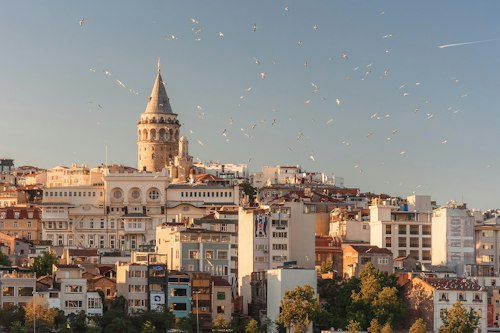
Topkapi Palace
Walk the courtyards of the Ottoman sultans' 400-year seat of power, including the Imperial Treasury and the Sacred Relics rooms.

Hagia Sophia
Stand beneath one of the largest domes ever built by pre-modern engineers and take in 1,500 years of Byzantine and Ottoman layers.

The Blue Mosque
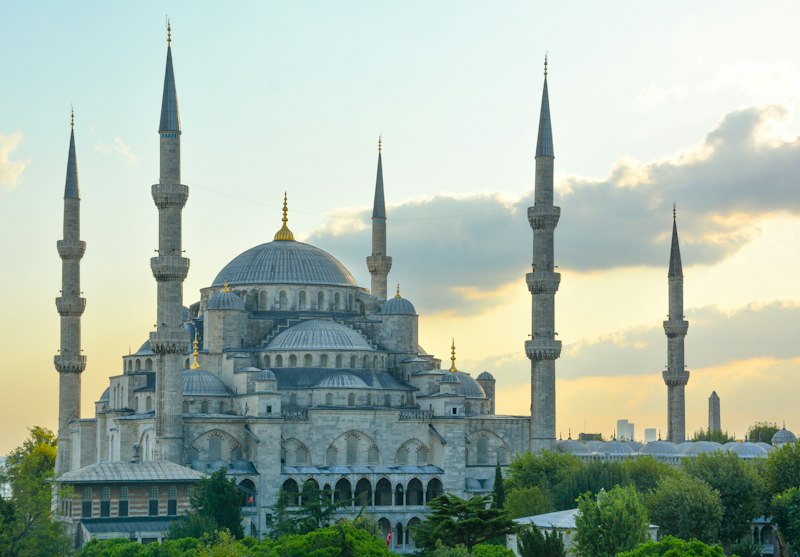
See the six-minaret skyline icon of Istanbul, named for the more than 20,000 hand-painted Ïznik tiles lining its interior.
After the Hippodrome and a walk through the Grand Bazaar's covered lanes, transfer south toward the Dardanelles for an overnight stay near Çanakkale, gateway to ancient Troy.
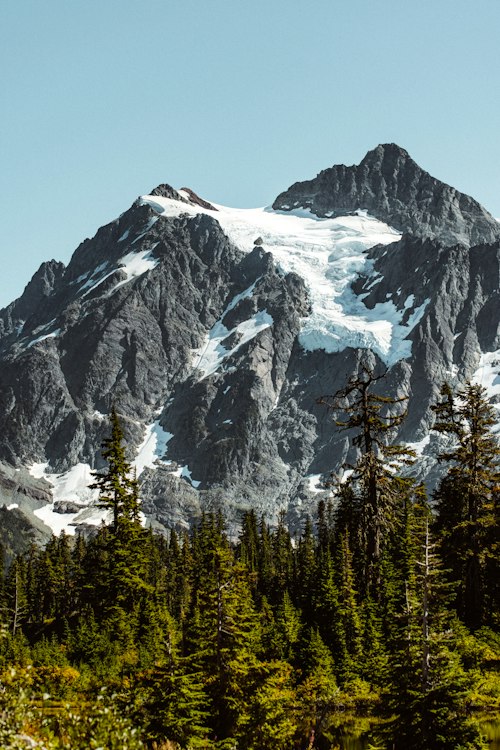
Troy
Walk the nine excavated city layers of the legendary Homeric city with your guide, then photograph the full-scale wooden Trojan Horse replica at the site entrance.
Overnight near Çanakkale before heading inland toward the Aegean interior tomorrow.

Aizanoi
Break the drive at one of Anatolia's best-preserved Roman temples, plus a combined stadium-theatre and the world's oldest known inscribed marketplace.
Continue south to the Pamukkale area, arriving in time to see the white travertine terraces glow at sunset.
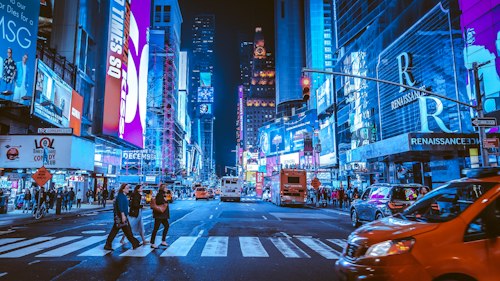
Pamukkale
Walk barefoot across the mineral-white travertine pools that give the “Cotton Castle” its name and, if you like, wade into the warm thermal water.
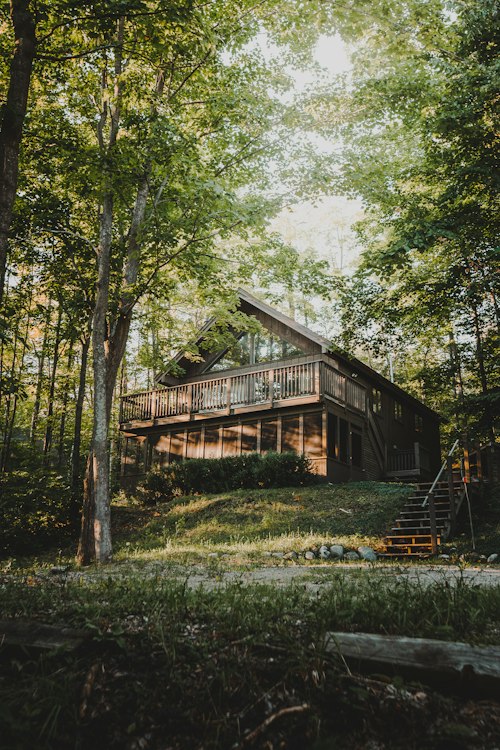
Hierapolis
Explore the Roman-Byzantine spa city built directly on the terraces, including its Plutonium gate and the largest necropolis in Asia Minor.

Aphrodisias
Tour the ruins of this once-famous marble sculpture city, including the best-preserved Roman stadium in the Mediterranean world.
Drive on toward Selçuk, checking in near Ephesus for tomorrow's full-day deep dive.

Ephesus
Walk the marble-paved streets to the two-story façade of the Library of Celsus, the 25,000-seat Great Theatre and the excavated Terrace Houses, with an optional stop at the House of the Virgin Mary.

Antalya Archaeological Museum
See one of Turkey's finest collections of Anatolian antiquity, including statuary recovered from nearby Perge, before an evening walk through the Kaleici old town.

Alanya Castle
Climb the Seljuk-era fortress walls for panoramic Mediterranean views, then visit the octagonal Red Tower guarding the historic harbor below.
Transfer to the airport for your flight toward central Anatolia.
A short domestic flight and transfer bring you into the fairy-chimney landscape of Cappadocia by late afternoon. Check into a cave-style hotel and, if you'd like a spectacular first look at the region, book the optional sunrise hot-air balloon ride for tomorrow morning before your guided tour.
Cappadocia
Visit the Göreme Open-Air Museum's rock-cut churches, walk among the cone-shaped fairy chimneys of Paşaba&gcedil;, and descend into one of the region's multi-level underground cities.
Fly south to Malatya or Adiyaman and transfer to a hotel near Kahta, positioned for tomorrow's pre-dawn ascent of Mount Nemrut. An early dinner and early night are recommended — the summit departure is well before sunrise.

Mount Nemrut
Climb the final stretch to the 2,150m summit in darkness to watch dawn break over the colossal fallen stone heads of King Antiochus I's tomb-sanctuary.
Descend for breakfast, then transfer to the airport for your flight back to Istanbul. We recommend booking international departures after 8:00 PM on this final day to comfortably allow for the connecting flight and airport transfer.
14 Landmarks, One Itinerary
Each stop on this tour is a headline attraction in its own right. Here's what makes every one of them worth the 14 Days.
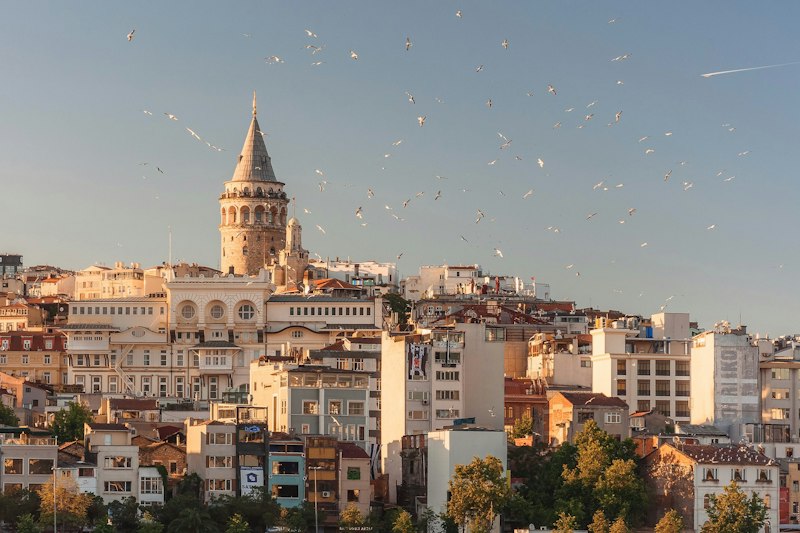
Topkapi Palace
Home to Ottoman sultans for nearly 400 years, Topkapi Palace is a sprawling complex of courtyards, pavilions and gardens overlooking the confluence of the Bosphorus, the Golden Horn and the Sea of Marmara. Its Imperial Treasury holds the 86-carat Spoonmaker's Diamond and the emerald-studded Topkapi Dagger, while the Sacred Relics rooms preserve artifacts venerated across the Islamic world.
Hagia Sophia
Completed in 537 AD under Emperor Justinian, Hagia Sophia held the record for the world's largest cathedral for nearly a thousand years. Converted to a mosque after 1453, then a museum in 1935, and back to a working mosque since 2020, its layered history is visible in gold Byzantine mosaics sitting beside Ottoman calligraphy roundels beneath one of the most ambitious domes of the pre-modern world.

The Blue Mosque
Built between 1609 and 1616, the Blue Mosque takes its popular name from the more than 20,000 handmade Ïznik tiles lining its interior walls in shades of blue, green and turquoise. Its six minarets caused controversy in their day — a count matched only by the Great Mosque of Mecca — and remain the defining silhouette of Istanbul's skyline alongside Hagia Sophia directly across the square.
Troy
Immortalized by Homer's Iliad, Troy is in fact nine superimposed cities spanning roughly 4,000 years, first excavated by Heinrich Schliemann in the 1870s. Walking the site today means tracing Bronze Age walls, Hellenistic temple foundations and Roman-era streets layered on top of one another — a living cross-section of Anatolian history, and one of the reasons UNESCO inscribed it as a World Heritage Site in 1998.

Aizanoi
Often overlooked in favor of the coastal ruins, Aizanoi is one of the most complete Roman provincial sites in Turkey. Its Temple of Zeus, elevated on a podium above vaulted chambers, is among the best-preserved of its kind in Anatolia. The site also holds a combined stadium-theatre complex and a macellum (covered market) inscribed with Emperor Diocletian's price edict — effectively the oldest surviving price list in the world.

Pamukkale
Calcium-rich thermal springs have built Pamukkale's cascading white travertine terraces over thousands of years, creating a landscape that looks more like snow or cotton than stone. Visitors walk barefoot across the mineral pools — shoes must be removed to protect the surface — and can bathe in the warm, mineral-laden water. A UNESCO World Heritage Site since 1988, jointly listed with neighboring Hierapolis.

Hierapolis
Built directly atop the Pamukkale travertines, Hierapolis was a Roman-era spa city where the wealthy came to take the waters. Today its ruins include a well-preserved 15,000-seat theatre, one of the largest necropolises in Asia Minor with more than 1,200 tombs, and the Plutonium — a cave once believed to be a gateway to the underworld due to naturally occurring toxic gases still detectable today.

Aphrodisias
Named for a sanctuary of Aphrodite, this UNESCO-listed city produced some of the finest sculptors of the ancient Mediterranean and exported marble statuary across the Roman world. Its stadium, seating around 30,000, is the best-preserved of its kind anywhere in the Mediterranean, and the on-site museum displays sculpture of a quality that rivals major collections in Rome and Istanbul.

Ephesus
Once a Roman port city of 250,000 people and capital of the province of Asia, Ephesus is widely considered the most complete classical city on the Mediterranean. Highlights include the two-story marble façade of the Library of Celsus, the 25,000-seat Great Theatre where St. Paul is said to have preached, and the excavated Terrace Houses that reveal how wealthy Ephesians actually lived. It sat near the Temple of Artemis, one of the Seven Wonders of the Ancient World, and close to the House of the Virgin Mary, a Catholic and Muslim pilgrimage site.

Antalya Museum
The Antalya Archaeological Museum houses one of Turkey's most significant collections outside Istanbul, spanning the Paleolithic era through the Ottoman period. Its Gallery of the Gods displays monumental Roman statuary recovered from nearby Perge, and the Hall of Sarcophagi holds some of the finest carved Roman tombs found anywhere in Anatolia — a fitting introduction to the Mediterranean coast's ancient layers before you head to Alanya.

Alanya Castle
Crowning a rocky peninsula 250 meters above the Mediterranean, Alanya Castle was built by the Seljuk Sultan Alaeddin Keykubad I in the 13th century to guard his new naval base. Nearly 6.5 kilometers of walls enclose the old town, cisterns and a ruined Byzantine church, while the octagonal Red Tower at the harbor below once protected the city's historic shipyard — together offering some of the finest coastal panoramas on this tour.
Cappadocia
Millions of years of volcanic ash erosion carved Cappadocia's surreal cone-shaped “fairy chimneys,” many hollowed out over centuries into homes, chapels and entire underground cities capable of sheltering thousands during times of invasion. The Göreme Open-Air Museum preserves rock-cut Byzantine churches with faded frescoes, while the region is also world-famous as the most popular hot-air ballooning destination on Earth.

Mount Nemrut
At 2,150 meters, the summit of Mount Nemrut holds a monumental tomb-sanctuary built by King Antiochus I of Commagene in the 1st century BC, guarded by colossal stone heads — toppled from their bodies by centuries of earthquakes — representing Greek and Persian gods alongside the king himself. Watching sunrise strike these giant faces from the eastern terrace is one of the most photographed moments in Turkish tourism, and the reason this UNESCO World Heritage Site closes out the tour.
What's Included & Excluded
Full transparency on what's arranged for you and what to budget for separately, so there are no surprises on the road.
Included in This Tour
Not Included
Get More Out of Your 14 Days
A route this ambitious rewards a little planning. Here's what tends to make the biggest difference for travelers doing this exact itinerary.
Pack for Two Climates
You'll go from sea-level Mediterranean coast to a 2,150m mountain summit. Bring layers: light clothing for Antalya and Alanya, and a warm jacket for the Mount and Nemrut sunrise, even in summer.
Book the Balloon Ride Early
Cappadocia's hot-air balloon flights are weather-dependent and sell out days in advance, especially April–June and September–October. Reserve it as soon as your travel dates are confirmed rather than waiting until you arrive.
Time Your Final Flight Home
Day 15 involves a pre-dawn Mount Nemrut hike, a flight to Istanbul and an international departure — all in one day. Book outbound flights departing Istanbul after 8:00 PM to avoid a rushed connection.
Comfortable, closed-toe walking shoes matter more than anything else you pack — Ephesus, Aphrodisias and the Nemrut summit all involve uneven ancient stone paths.
Choose the Private tour type if your main priority is a flexible pace at Ephesus or Cappadocia; choose Group for a lower price and a shared small-group experience with similar-minded travelers.
Bring a printed or downloaded e-Visa and a spare passport photo copy — useful for the domestic flight check-ins between Kayseri and Adiyaman airports.
April–June or September–October give the best balance of comfortable temperatures at both Pamukkale's travertines and the Mount Nemrut summit, without peak-summer coastal crowds.
Frequently Asked Questions
Book the 14-Day Grand Turkey Tour
Send an inquiry if you have questions first, or reserve your dates directly below. Our reservations team responds within a few hours.
- No hidden fees — all site entrance costs included
- 24/7 support throughout your trip
- Licensed, English-speaking guides
Not ready to commit? Send us your details and any questions — we'll follow up with availability and a tailored quote.
Reserve your dates now — our team will confirm availability within a few hours.