Historic Istanbul
Hagia Sophia, the Blue Mosque, Topkapı Palace, the Hippodrome and Basilica Cistern form the essential first conversation with the city.

Turkey Travel Agency & Tour Operator — Private, Small Group & Package Tours
A rich introduction to the city where Byzantine domes, Ottoman courtyards, Bosphorus waters and contemporary neighbourhoods share one extraordinary horizon.
Istanbul is the rare city where a morning can begin beneath the dome of a Byzantine masterpiece, continue through an Ottoman imperial courtyard, cross the Bosphorus between two continents and end with tea in a neighbourhood that feels completely local. Its most famous sights are unforgettable, but the deeper reward comes from understanding how they belong together.
This Istanbul tourism and sightseeing master list is designed as a clear, expandable reference for travellers, families, private groups, cultural visitors, photographers and anyone planning a meaningful stay in Türkiye. It introduces the Historic Peninsula, the Golden Horn, Beyoğlu, the Bosphorus, the Asian side, the Princes' Islands and the wider network of museums, markets, mosques, palaces, fortifications, parks and food districts that make the city so rich.
The History Travel's role is to turn this depth into a coherent travel conversation. The agency is not presented here as a generic booking button. It is introduced as a specialist Turkey travel partner that can help visitors connect places, historical periods, transport choices, guide expertise and personal interests into a private, small-group or package programme.
Use these themes to orient a visit before choosing a route. Each one can become a focused sightseeing day, a half-day introduction, a private deep dive or a connecting chapter in a wider Türkiye itinerary.
Hagia Sophia, the Blue Mosque, Topkapı Palace, the Hippodrome and Basilica Cistern form the essential first conversation with the city.
Palaces, fortresses, waterfront mosques, villages, bridges and ferries show why Istanbul's strait is both scenery and story.
Topkapı, Süleymaniye, Rüstem Pasha, Dolmabahçe and the imperial mosque complexes reveal a civilisation built through design.
Hippodrome monuments, cisterns, Chora/Kariye, Land Walls and museums open a window onto Constantinople's long urban life.
Grand Bazaar, Spice Bazaar, Eminönü, Kadıköy Market and Karaköy connect history with the flavours and rhythms of daily Istanbul.
Fener, Balat, Galata, Moda, Kuzguncuk and Üsküdar offer colour, local life, photography, cafés and a slower way to read the city.
Istanbul becomes easier to understand when attractions are grouped by district and atmosphere. These are the main geographic chapters used when shaping private and small-group programmes.
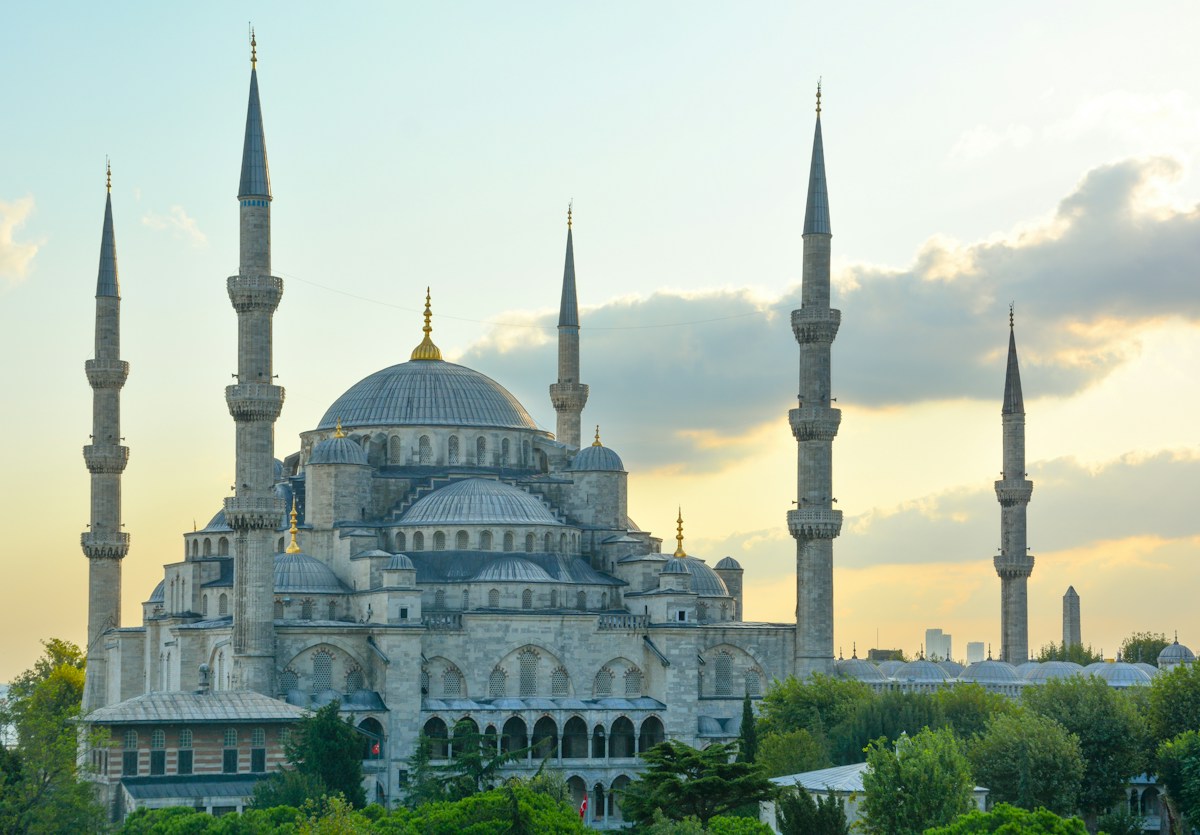 Old City
The concentrated heart of classic Istanbul: Hagia Sophia, Blue Mosque, Hippodrome, Basilica Cistern, Topkapı Palace, Gülhane and the museums around the imperial centre.
 Golden Horn
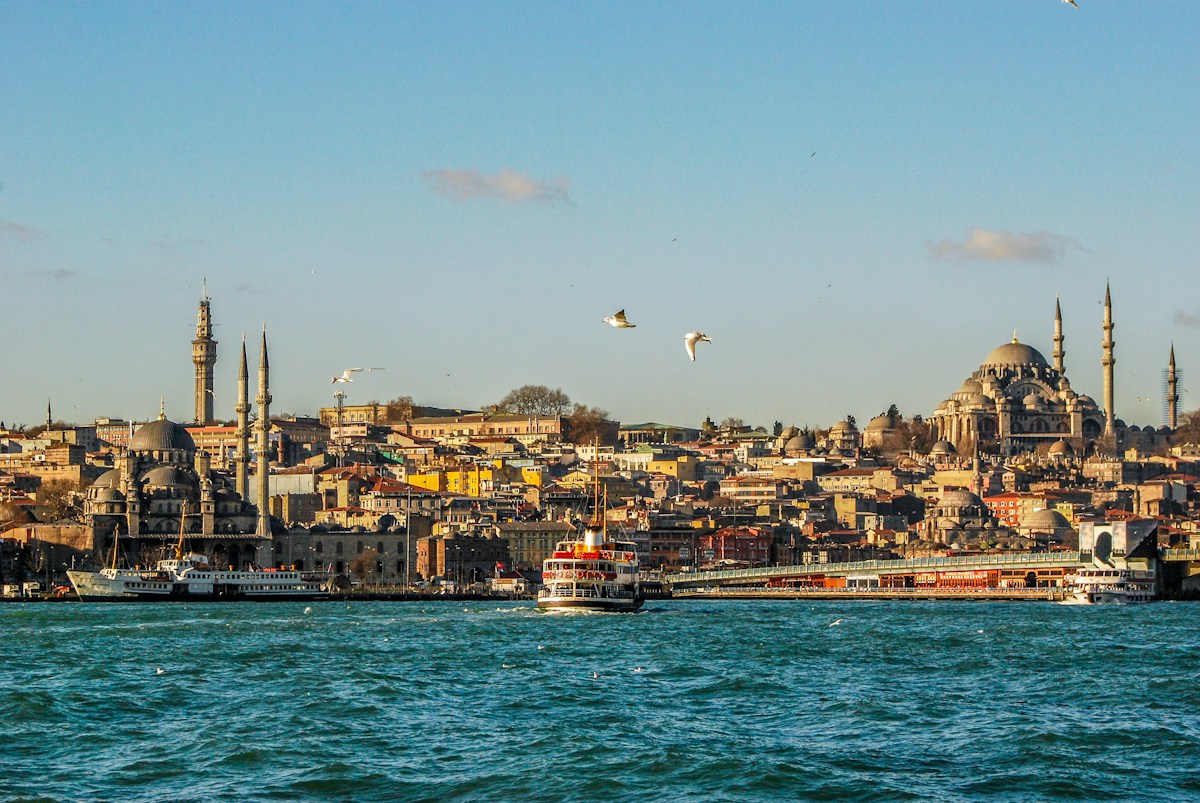
Historic communities, colourful streets, Orthodox heritage, the Galata Bridge, Eyüp Sultan and Pierre Loti create a more neighbourhood-led view of Istanbul.
 Bosphorus
Dolmabahçe, Ortaköy, Rumeli Fortress, Bebek, Emirgan and the changing shoreline reveal Istanbul as a city built in conversation with water.
 Beyoğlu
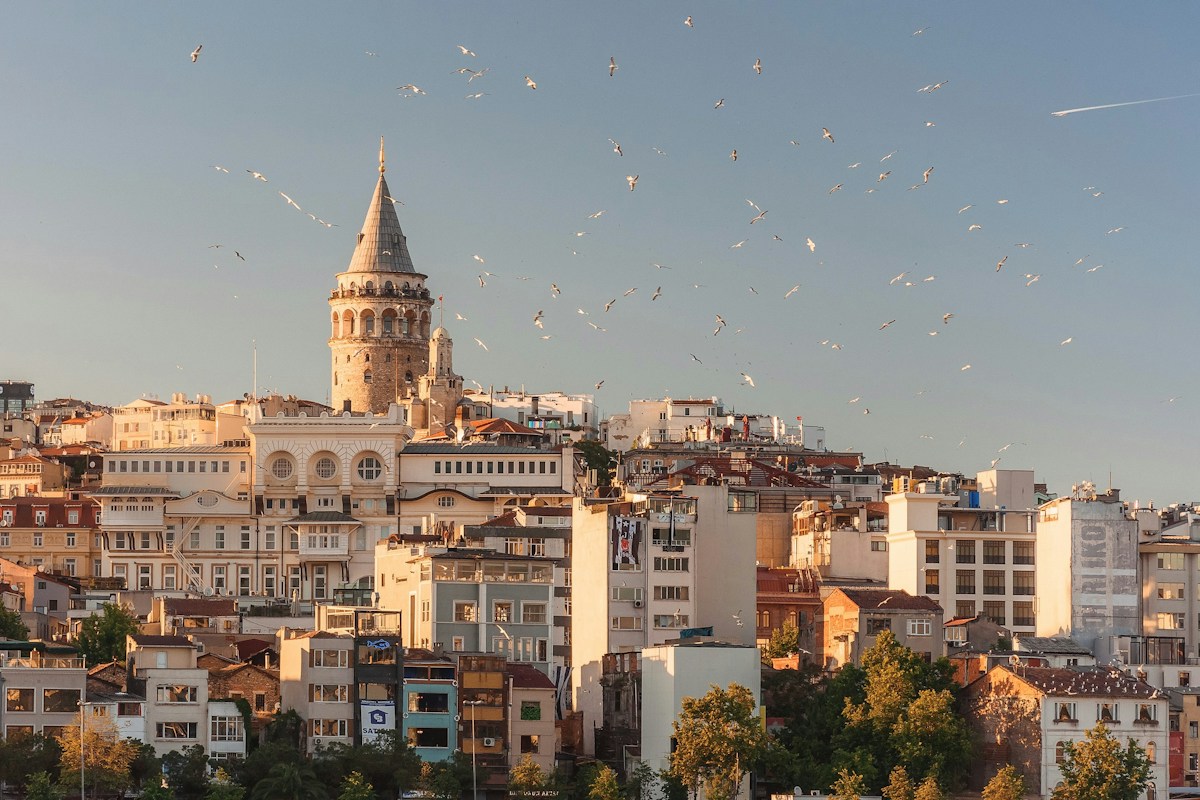
Galata Tower, Istiklal Avenue, Taksim, historic passages, churches, galleries, cafés and Karaköy's waterfront create the city's energetic modern chapter.
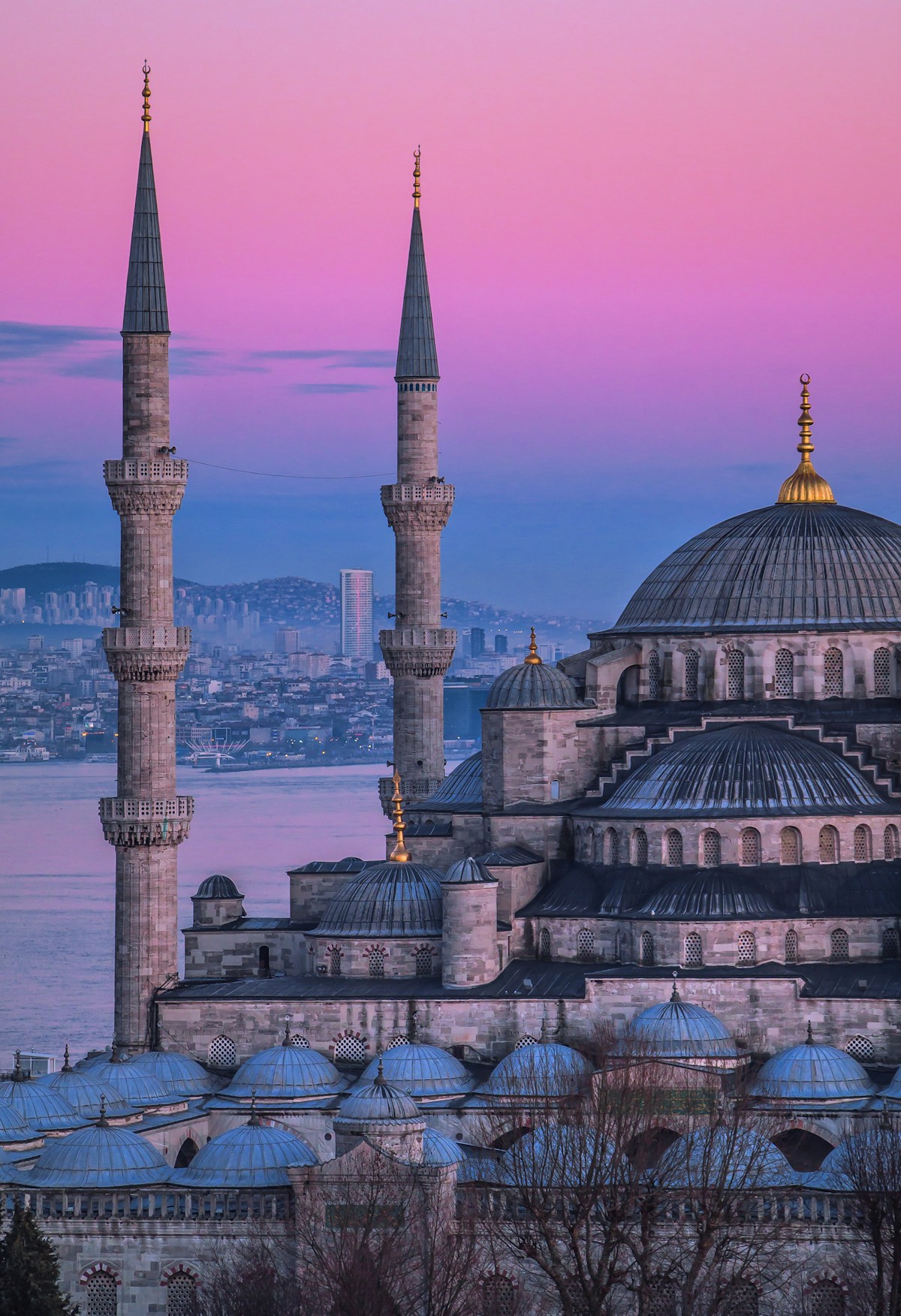 Asian side
Ferries, waterfront mosques, Maiden's Tower views, markets, Moda, Beylerbeyi and hilltop panoramas reveal a different rhythm across the strait.
 Beyond the centre
Princes' Islands, Emirgan Park, Yıldız Park, Belgrad Forest and selected pavilions give visitors space to breathe beyond the busiest monument routes.
The following places are not a random “top ten”. They are the anchor points from which many different historical, cultural, photography, family, food and Bosphorus programmes can be assembled.

Completed in the sixth century under Emperor Justinian, Hagia Sophia remains one of the world's defining architectural landmarks. Its monumental dome and layered Christian and Islamic heritage make it essential for understanding Istanbul's cultural depth. It functions today as a mosque; visiting arrangements and prayer times should be respected.
Why it matters
Built between 1609 and 1617, the Blue Mosque is recognised by its cascading domes, six minarets and richly decorated interior. The famous Iznik tiles explain its familiar nickname, while the surrounding square places it directly within Istanbul's most important historical sequence.
Plan with care

For centuries, Topkapı was the principal Ottoman imperial residence. Its courtyards, kitchens, collections, gardens and Harem areas offer more than a palace visit: they explain how an empire was administered, represented and lived. Its position above the Golden Horn, Bosphorus and Sea of Marmara adds a remarkable geographic dimension.
Allow time for

Below Sultanahmet, rows of columns rise from the water of an enormous Byzantine reservoir. The quiet, subterranean atmosphere is entirely different from the mosques and palaces above, while the Medusa column bases add a memorable thread of mystery to the engineering story.
Ideal for

The Grand Bazaar is a historic commercial city within the city: a labyrinth of covered streets, workshops and shops where carpets, ceramics, jewellery, textiles, leather and traditional objects meet the theatre of Turkish commerce. It is best approached with curiosity rather than a shopping checklist.
Look for

The strait is Istanbul's defining geography: Europe and Asia opposite one another, the Black Sea linked to the Sea of Marmara, and a shoreline of palaces, yalı mansions, mosques, bridges and villages constantly changing with the light. A cruise or private boat journey can become the emotional centre of an Istanbul programme.
Many ways to experience it
Galata Tower rises above a district where Genoese memory, Ottoman streets, galleries, cafés and contemporary life overlap. From Galata Bridge and Karaköy to Istiklal Avenue and Taksim, the route shows the city moving from waterfront trade to modern urban culture.
Best for
Beside the Bosphorus, Dolmabahçe expresses the late Ottoman period through ceremonial scale, European architectural influence, imperial halls and extraordinary interiors. It complements Topkapı by showing a later, more outward-facing court culture shaped by the waterfront and the changing world beyond the empire.
Strong combination

Fener and Balat offer a slower and more textured experience: historic houses, religious heritage, narrow streets, cafés, antique shops and the memory of communities that shaped the Golden Horn. They are especially rewarding for private walks that leave room for conversation and photography.
See another Istanbul

Across the Bosphorus, Üsküdar's waterfront, historic mosques and Maiden's Tower viewpoint offer an unforgettable perspective back toward the European skyline. Continue to Çamlıca Hill, the Great Çamlıca Mosque or Kadıköy and Moda for a broader portrait of Istanbul life.
Best for
This is not a fixed booking itinerary. It is a planning framework showing how places can belong together geographically and historically. The strongest Istanbul programmes balance headline monuments with one slower neighbourhood, one panoramic moment and time to understand what visitors are seeing.
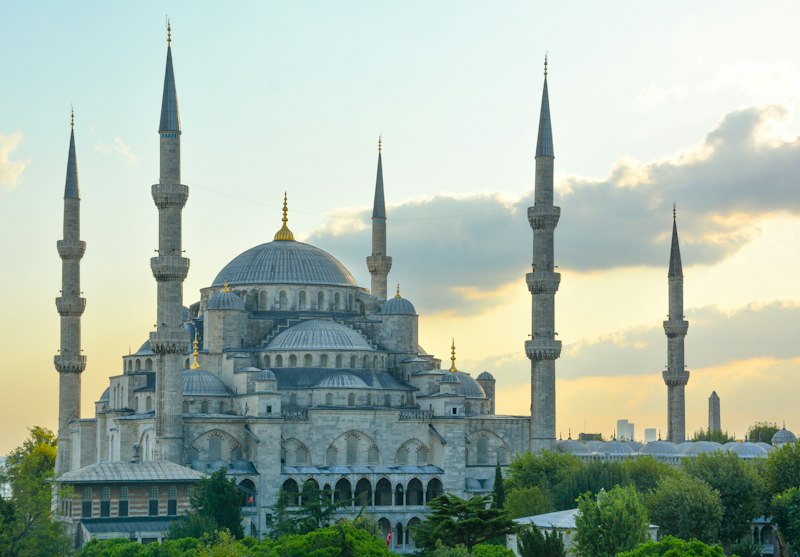
Start around Sultanahmet Square, where Byzantine public space, Ottoman imperial architecture and modern visitor life meet within walking distance. This is the clearest first chapter for a short stay, especially when the route is paced carefully for older travellers and families.
Topkapı Palace, the Archaeological Museums or Gülhane Park can extend the day. A guide can explain why the monuments sit where they do, instead of turning the experience into a sequence of disconnected photo stops.

Move beyond the single palace narrative and compare Topkapı's courtyards with Süleymaniye's hilltop monumentality and Rüstem Pasha's intimate Iznik tiles. Finish through the bazaars where trade and craft keep the historic city alive.

This programme connects Byzantine art, fortification, Christian heritage and living neighbourhoods. It is especially well suited to private travel because the best moments are often found in the transitions between major monuments.

A Bosphorus day can be gentle and scenic or rich in palace and fortress history. A public cruise, private yacht, sunset route or dinner experience each creates a different pace; the right choice depends on season, mobility, privacy and the atmosphere travellers want.

From fishermen on Galata Bridge to the historic passages of Istiklal, this route adds urban energy, food, galleries, churches, cafés and skyline views. It is a natural counterpoint to the formal spaces of Sultanahmet.
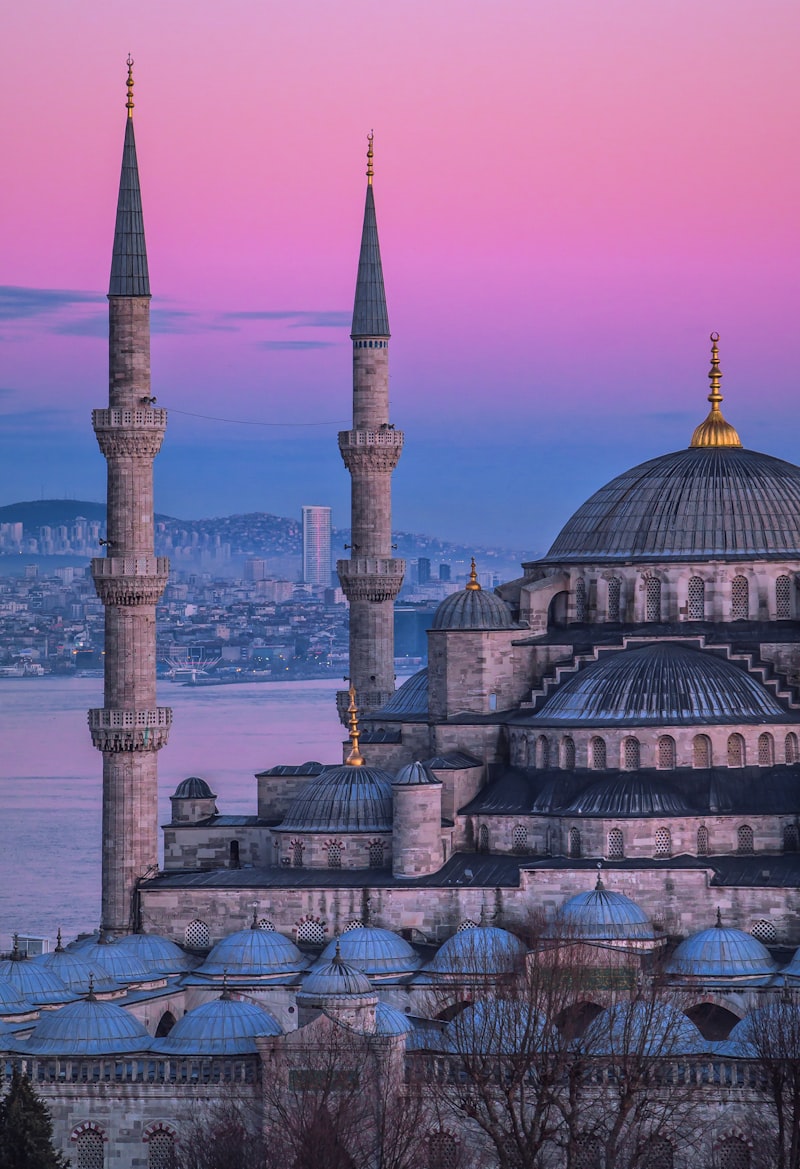
A ferry or private crossing changes the city's scale immediately. Combine Üsküdar's waterfront and historic mosques with a viewpoint at Çamlıca, then continue to the flavours, markets, cafés and creative energy of Kadıköy and Moda.
The difference between a crowded sightseeing list and a premium travel experience is not the number of stops. It is the quality of the connection between them. The History Travel can introduce Istanbul as a sequence of ideas: how water shaped the city, how empires expressed power, how faith shaped neighbourhoods, and how people continue to make these historic places part of daily life.
Understand why a monument was built, what it replaced, who used it and how its meaning changed across centuries.
Group nearby sights intelligently, reduce unnecessary backtracking and protect time for pauses, views, food and conversation.
Build around a family's interests, a photographer's light, a historian's questions or a couple's wish for an unhurried city experience.
Choose a geographical anchor. Start with Sultanahmet, the Bosphorus, the Golden Horn, Beyoğlu or the Asian side before adding individual attractions.
Protect the rhythm. Pair a major museum or palace with a waterfront, garden, market or neighbourhood so the day remains enjoyable and memorable.
Leave space for the unexpected. Istanbul often rewards an extra tea, a ferry view, a quiet courtyard or a conversation more than one more rushed stop.
Istanbul is rewarding precisely because it is layered and busy. A few clear expectations make the experience calmer, especially for older visitors, families and travellers who prefer not to improvise every detail.
The Historic Peninsula includes uneven paving, slopes, steps and busy pedestrian areas. Comfortable shoes, realistic pacing and planned rest points matter more than trying to see everything.
Many mosques remain active places of worship. Check current visiting arrangements, dress modestly, remove shoes where requested and avoid prayer times when planning a sightseeing sequence.
Palaces, museums, mosques, cisterns and towers can change schedules, entrance rules or visitor routes. Treat official site information and a current local check as essential before finalising a day.
Spring and autumn are often comfortable for long walking days. Summer rewards early starts and water breaks; winter can bring atmospheric light, quieter museums and sudden weather changes along the Bosphorus.
Ask before photographing people, worshippers, shops or private homes. The most beautiful images often come from patient observation rather than standing in the middle of a busy route.
Balance a palace or museum with a ferry, market, park or food stop. The city becomes much easier for children and older adults when every day has a change of pace.
Tulips, comfortable walks and bright Bosphorus days.
Early starts, longer evenings and lively waterfronts.
Warm colours, softer light and a strong walking rhythm.
Atmospheric skies, quieter galleries and flexible indoor time.
The History Travel is presented here as a bridge between information and thoughtful travel design. The point is not to turn every landmark into a sales pitch; it is to help visitors move from “What should I see?” to “What kind of Istanbul do I want to understand?”
Rather than placing invented testimonials on this page, the rating below is linked directly to the public Tripadvisor profile so visitors can read the source reviews in context.
The public Tripadvisor page currently displays a 5.0 out of 5 rating from 33 reviews. All 33 reviews are categorized as “Excellent” in the rating breakdown shown on the source page.
The agency profile describes a focus on professional guiding, customized tours and avoiding mass tourism so that each guest can feel special through arrangements based on personal interests and perceptions.
When you are ready to move from research to planning, tell The History Travel what you want to understand in Istanbul. For WhatsApp planning, send a simple message with your dates, hotel area, group size and interests — for example: “Istanbul, 3 days, private, Byzantine history and Bosphorus, comfortable pace.”