Topkapi PalaceDay 2
Home to the Ottoman sultans for almost 400 years, with four courtyards, vast kitchens and treasury rooms of jeweled thrones and daggers.
Why it matters
- The clearest picture of Ottoman imperial power.
From the bustling streets of Istanbul to the ancient ruins of Gallipoli, Troy and Ephesus, and the landscapes of Pamukkale and Cappadocia, in one well-paced journey with domestic flights and licensed English-speaking guides.
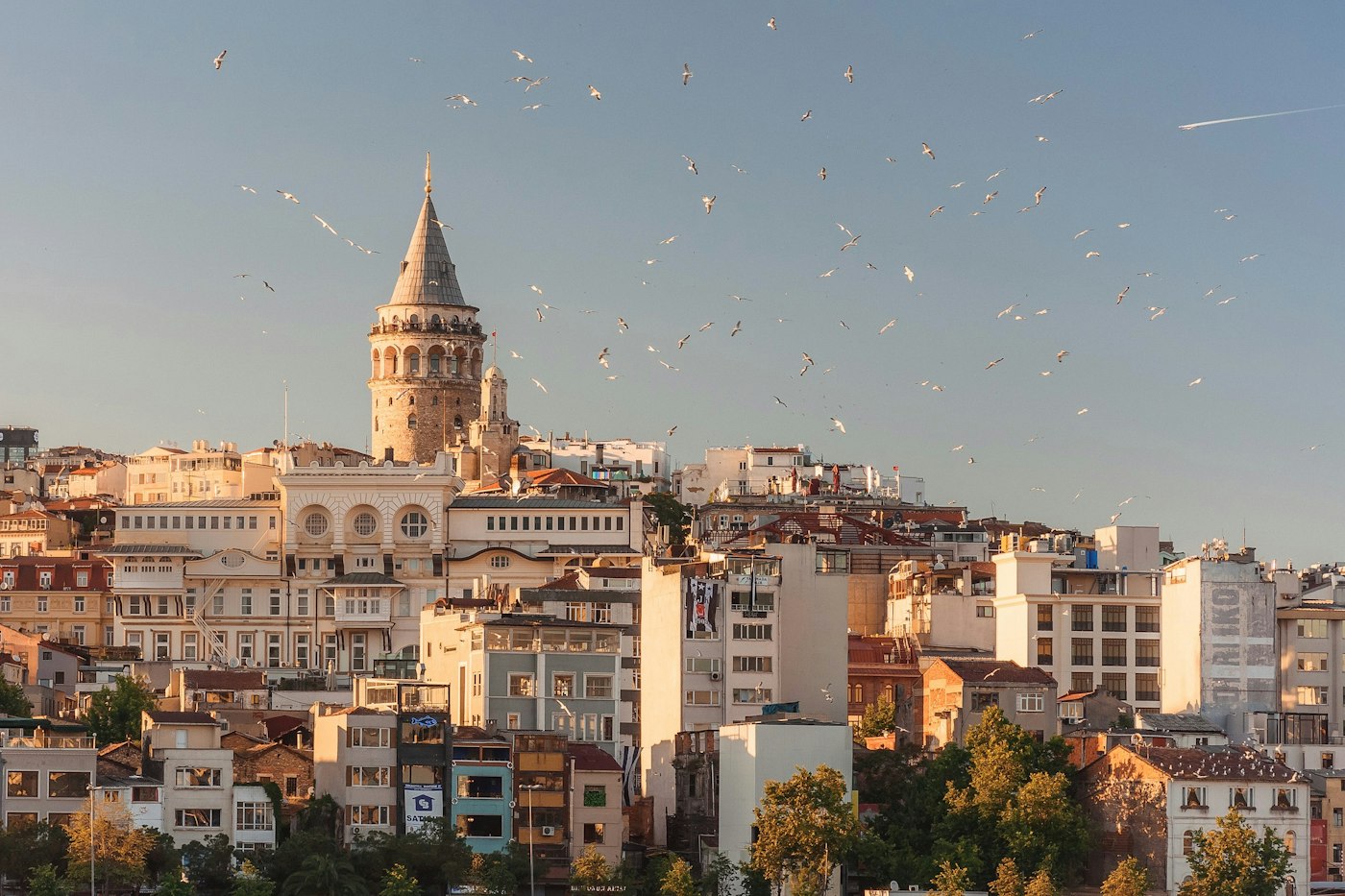


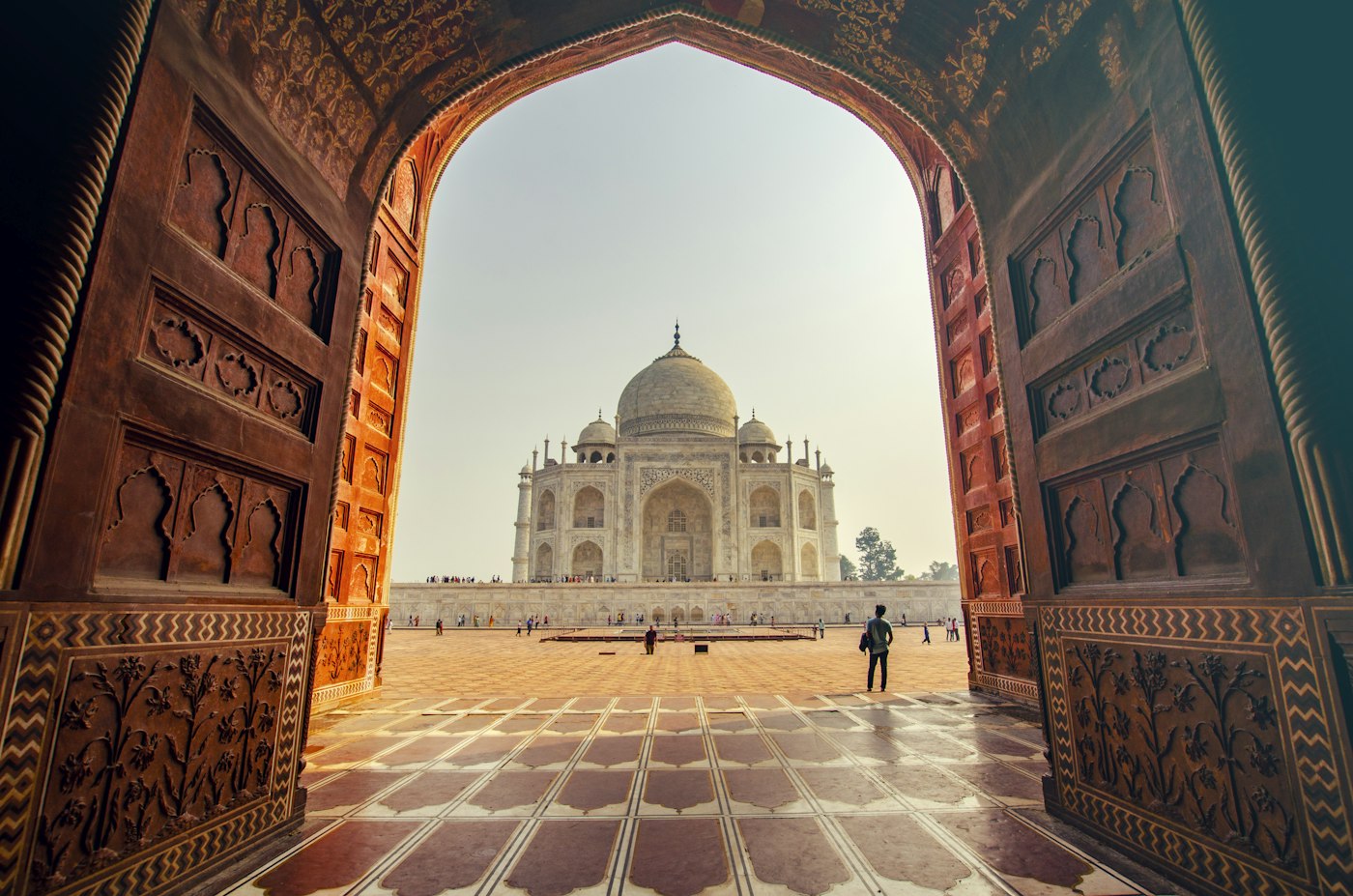
This 10-day Turkey tour takes you on an unforgettable journey through Turkey's most iconic destinations, from the bustling streets of Istanbul to the ancient ruins of Gallipoli, Troy and Ephesus, and the stunning landscapes of Pamukkale and Cappadocia.
Along the way, you'll experience the country's rich history, cultural treasures and breathtaking natural beauty. With guided tours, domestic flights and comfortable accommodations, this all-inclusive Turkey tour package offers a seamless and immersive exploration of Turkey's highlights, combining the WWI history of Gallipoli, the legendary city of Troy, the ancient library and altar of Pergamon, the thermal terraces of Pamukkale, the ruins of Ephesus and the lunar landscapes of Cappadocia in one comprehensive route.
The Highlights of Turkey tour joins seven destinations into a single, connected program: Istanbul, the Gallipoli Peninsula, Troy, Pergamon, Pamukkale with Hierapolis, Ephesus and Cappadocia. Instead of booking separate day trips and flights yourself, you receive one Istanbul to Cappadocia tour with hotels, licensed English-speaking guides, entrance fees, airport transfers and two domestic flights already arranged. It is one of our broadest single-trip itineraries, connecting western Turkey's overland history circuit with a flight on to Cappadocia, so no single region is rushed.
You begin with an Istanbul Old City tour of Topkapi Palace, Hagia Sophia, the Blue Mosque, the Hippodrome and the Grand Bazaar. You then travel overland for a Gallipoli tour of the ANZAC battlefields, a Troy and Pergamon tour, a Pamukkale and Hierapolis tour and a full-day Ephesus tour. On Day 7 a domestic flight takes you to Cappadocia for a North Cappadocia tour and a South Cappadocia tour, with an optional sunrise hot air balloon flight, before your departure on Day 10.
The tour can be customized to suit your preferences. You can join a small group tour of Turkey or arrange a private Turkey tour exclusively for your party. Accommodation is your choice of selected 3-star, 4-star or 5-star hotels, boutique hotels or cave hotels, with breakfast included on all nine nights.
This 10 day Turkey itinerary suits first-time visitors who want the main sights without rushing, history lovers drawn to Byzantine, Ottoman, Hellenistic and Roman sites, and Australian and New Zealand travellers who want an ANZAC Gallipoli tour as part of a wider trip. Couples, friends and families who like guided sightseeing, comfortable vehicles and a clear plan will also find it a good fit. A moderate amount of walking is involved at both the historical sites and the natural landscapes.
The price from $2,059 per person includes 9 nights of accommodation on a B&B basis, 8 hotel breakfasts, 6 local restaurant lunches, 2 domestic flight tickets with 15kg baggage per person, all sightseeing in the program, transport in new air-conditioned vehicles, all airport transfers, all parking, ferry tolls and fuel, and all entrance fees and taxes. International airfare, beverages during lunch, Cleopatra's Pool entrance, travel insurance, personal expenses and tips are not included. Send an enquiry or WhatsApp us to check availability for your dates.
Days 3 to 6 run overland along Turkey's western coast (Gallipoli, Troy, Pergamon, Pamukkale, Ephesus), before a domestic flight connects to Cappadocia for the final stretch of the trip.
Each stage changes the landscape and the pace, from imperial Istanbul to a WWI battlefield, then Hellenistic and Roman ruins, and finally volcanic valleys and underground cities.
Days 1 to 6 follow a west-coast circuit by air-conditioned vehicle, from Istanbul to Gallipoli, Troy, Pergamon, Pamukkale and Ephesus. A domestic flight on Day 7 then takes you to Cappadocia for the final three nights.
Topkapi Palace, Hagia Sophia, Blue Mosque, Hippodrome, Grand Bazaar
ANZAC Cove, Lone Pine, The Nek, Chunuk Bair, Dardanelles ferry
Trojan Horse replica, Temple of Apollo, Altar of Zeus site, acropolis theater
Travertine terraces, Roman theater, Gate of Domitian, necropolis
Library of Celsus, Great Theatre, Temple of Artemis site, House of the Virgin Mary
Devrent, Pasabag, Goreme, Uchisar, Red Valley, Ozkonak Underground City
The order of the stops matters as much as the sights. This program starts in Istanbul, heads to Gallipoli and Troy, continues down the Aegean coast to Pergamon, Pamukkale and Ephesus, and ends with a domestic flight to Cappadocia, where you spend your last three nights.
Many first-time visitors ask how to plan 10 days in Turkey without spending half the trip on the road. This itinerary answers that by grouping destinations by geography. Istanbul comes first, so you can recover from your flight in a city where the major sights sit close together. The west-coast sights then follow in a logical line, from Gallipoli in the north, through Troy and Pergamon, down to Pamukkale and Ephesus. Because that circuit is covered by road, a single domestic flight is all you need to reach Cappadocia, which is far inland.
Day 1 is arrival and a hotel transfer, with an optional Bosphorus dinner cruise if you land in time. Day 2 is a full guided Istanbul Old City tour through the historic peninsula of Sultanahmet. You visit Topkapi Palace, walk to Hagia Sophia (interior access is not included on this tour), see the Blue Mosque and the Hippodrome, and finish at the Grand Bazaar.
Day 3 is an early start for a Gallipoli battlefield tour, with more than eight memorials, cemeteries and trench sites, including ANZAC Cove, Lone Pine, The Nek and Chunuk Bair, before a ferry to Canakkale. On Day 4 you see Troy, with its ten layered cities and Trojan Horse replica, then the ancient city of Pergamon with its library site, Altar of Zeus site and steep theater, before heading to the Aegean coast.
Day 5 is a Pamukkale and Hierapolis tour: white travertine terraces, a Roman theater, the Gate of Domitian and a vast necropolis, with free time to walk the terraces. Day 6 is devoted entirely to Ephesus, including the Library of Celsus, Curetes Street, the Great Theatre, the Temple of Artemis site and the House of the Virgin Mary.
Day 7 is the flight to Cappadocia and a free afternoon. Day 8 is the North Cappadocia tour (Devrent Valley, Pasabag, Avanos, Goreme Open-Air Museum and Uchisar Castle) and Day 9 the South Cappadocia tour (Red Valley, Cavusin, Pigeon Valley and Ozkonak Underground City). Day 10 is breakfast and your airport transfer. You can add an optional early-morning Cappadocia hot air balloon ride on Day 8.
Expect an early pickup on Day 3 (6:30–7:00 AM) and a long driving day to reach Gallipoli. Wear comfortable walking shoes for the cobbled streets of the Old City, the ruins of Troy, Pergamon and Ephesus, and the 5 km Red Valley hike. Hagia Sophia's interior, Cleopatra's Pool and the balloon flight are not included. Tap any day below for the full program, the places you will visit and what is included.
Ten days, seven regions and two domestic flights. Tap any day to read what you will see, where you will sleep and what is included. Every stop below is part of the standard program. Timings are approximate and may be adjusted.
Welcome to Istanbul. A driver meets you at the airport and takes you to your hotel, so the first day stays easy.
Welcome to Istanbul, the only city on earth that spans two continents, with one foot in Europe and one in Asia, separated only by the narrow, shimmering waterway of the Bosphorus. Upon your arrival, our driver will be waiting to greet you at the airport and transfer you smoothly to your hotel, so you can begin settling in without a moment's stress after your flight.
Depending on what time you land, you may want to ease into the trip gently, or you may already be itching to see the city. If it's evening, consider joining our optional Bosphorus Dinner Cruise, gliding past illuminated palaces and mosques while the call to prayer echoes across the water — a genuinely memorable first night in a city that has been a capital of empires for over 1,600 years, from Constantine's Constantinople to the Ottoman sultans' Istanbul.
A full guided walking day through Sultanahmet: palace, great domes, Roman racetrack and the Grand Bazaar.
Home of the Ottoman sultans for almost 400 years: four courtyards, vast kitchens and the treasury.
Justinian's great church of 537 AD. Visited from outside; interior access is not included.
Over 20,000 hand-painted Iznik tiles and six minarets, built in the early 17th century.
The old 100,000-seat chariot-racing stadium of Byzantine Constantinople.
One of the world's oldest covered markets: 4,000-plus shops across 61 streets.
After breakfast, we set out on a comprehensive guided walking tour through the historic peninsula of Sultanahmet, the ancient heart of both Byzantine Constantinople and Ottoman Istanbul, where nearly every building has a story spanning centuries. We begin at Topkapi Palace, home to the Ottoman sultans for almost 400 years, from the mid-15th century until the mid-19th. Wandering through its four courtyards, kitchens that once fed thousands, and treasury rooms glittering with jeweled thrones and daggers, you get a genuine sense of the scale and opulence of imperial power at its height.
From there we walk to Hagia Sophia (interior access not included on this tour), the extraordinary structure Emperor Justinian completed in 537 AD, and which stood for nearly a thousand years as the largest cathedral in the world before its conversion first to a mosque, then briefly a museum, and today a mosque once again — its very walls a physical record of Istanbul's layered religious history. Directly across the square, the Blue Mosque, built in the early 17th century under Sultan Ahmed I, dazzles with over 20,000 hand-painted Iznik tiles and six soaring minarets, a rare number that once caused controversy since it matched the mosque in Mecca.
We continue through the Hippodrome, once a 100,000-seat chariot-racing stadium at the center of Byzantine public life, where the ancient Egyptian obelisk of Theodosius still stands exactly as it did 1,600 years ago, before finishing at the Grand Bazaar — one of the world's oldest and largest covered markets, its 4,000-plus shops spread across 61 covered streets since the 15th century, a sensory overload of carpets, ceramics, gold and spices that rewards an unhurried wander.
An early start for the Gallipoli Peninsula, the WWI battlefields and cemeteries, then a ferry to Canakkale.
The opening stop on the Gallipoli Peninsula.
Early landing-area sites on the Aegean shore.
Where Australian and New Zealand troops landed at dawn on April 25, 1915.
Memorials above the beach, with the Respect to Mehmetcik Statue.
Built where a single Aleppo pine once stood amid the fighting.
Trenches so close that opposing lines sat only meters apart.
Honors the Turkish regiment ordered by Ataturk to fight to the last man.
The Nek, made famous by the film Gallipoli, and the New Zealand Memorial at Chunuk Bair.
A short crossing to check in and overnight in Canakkale.
Pickup is early today, between 6:30 and 7:00 AM, for the roughly five-hour drive to the Gallipoli Peninsula, site of one of the most consequential and tragic campaigns of the First World War. In 1915, Allied forces — including tens of thousands of young men from Australia and New Zealand fighting far from home for the first time as national armies — attempted to force open the Dardanelles Strait, and were met by fierce Ottoman resistance under the command of a then little-known officer, Mustafa Kemal, who would later become Ataturk, founder of the Turkish Republic.
Walking this battlefield with a knowledgeable guide is a genuinely moving experience. We visit the Dardanelles Memorials, Brighton Beach and Beach Cemetery, then ANZAC Cove itself, the narrow strip of shoreline where Australian and New Zealand troops landed at dawn on April 25, 1915 — a date still commemorated every year as ANZAC Day. We continue to Ariburnu Cemetery, the ANZAC Commemorative Site, and the Respect to Mehmetcik Statue, honoring a Turkish soldier said to have carried a wounded enemy to safety under fire, a small story that captures the strange humanity found even amid the campaign's brutality.
Further stops include the Lone Pine Australian Memorial, built where a single Aleppo pine once stood amid a devastating battle for a few hundred meters of trench; Johnstons Jolly, where Turkish and Allied trenches sit remarkably close together, sometimes only meters apart; the Turkish 57th Infantry Regiment Cemetery, whose entire regiment was ordered by Ataturk to fight to the last man; The Nek, made famous by the film "Gallipoli"; and finally Chunuk Bair, the New Zealand Memorial marking the campaign's highest point of advance. After a local lunch, the day ends with a short ferry crossing of the Dardanelles to Canakkale for check-in and an overnight stay.
Troy in the morning, Pergamon in the afternoon, then on to the Aegean coast.
A full-scale replica of the iconic horse at the entrance to the site.
Layers of ten cities across roughly 4,000 years of settlement.
Excavated remains of public life at Troy.
Once home to an estimated 200,000 scrolls, said to rival Alexandria.
The monumental altar whose frieze is now in Berlin's Pergamon Museum.
A breathtakingly steep theater carved directly into the hillside.
Pickup around 8:30-8:45 AM for a visit to the legendary city of Troy, a UNESCO World Heritage Site whose excavated mound reveals no fewer than ten distinct cities, layered one atop another across roughly 4,000 years of continuous settlement. Immortalized by Homer's Iliad, Troy has captured imaginations for millennia — and though scholars still debate exactly how much of the epic reflects real events, German archaeologist Heinrich Schliemann's 19th-century excavations proved that a real, wealthy, fortified city did once stand on this spot. We see a full-scale replica of the iconic Trojan Horse, the Temple of Apollo, the ancient city walls, a Roman-era theater and the remains of a Greco-Roman senate building.
From Troy we continue to Pergamon (modern Bergama), once one of the great intellectual capitals of the Hellenistic world, home to a library said to have rivaled Alexandria's with an estimated 200,000 scrolls — a rivalry so intense that, according to legend, Egypt banned papyrus exports to Pergamon, prompting the city's scholars to perfect parchment (pergamena) as an alternative writing material instead. We explore the site of the monumental Altar of Zeus, its dramatic frieze now displayed in Berlin's Pergamon Museum, and the breathtakingly steep acropolis theater, carved directly into the hillside. After a local lunch, we transfer to Kusadasi or Selcuk for check-in and an overnight stay.
A day trip to the white terraces of Pamukkale and the ancient healing city of Hierapolis.
"Cotton Castle": white terraces you can walk barefoot.
A well-preserved theater in a UNESCO World Heritage city.
The monumental gate of the ancient healing city.
Over 1,200 tombs from Hellenistic, Roman and early Christian periods.
A thermal pool with fallen marble columns. Entrance fee not included.
Pickup is around 7:30-8:00 AM for a day trip to Pamukkale and Hierapolis. Pamukkale takes its name, meaning "Cotton Castle," from the astonishing white travertine terraces that cascade down the hillside — formed over many thousands of years as mineral-rich thermal water flows over the slope and deposits layer upon layer of calcium carbonate, creating natural pools that shimmer brilliant white in the sun.
Above the terraces lies the ancient city of Hierapolis, a UNESCO World Heritage Site founded around the 2nd century BC specifically to take advantage of the healing thermal springs, which drew the sick and infirm from across the ancient world seeking cures. We explore its well-preserved Roman theater, its monumental Gate of Domitian, and one of the largest ancient necropolises in Anatolia, with over 1,200 tombs spanning Hellenistic, Roman and early Christian periods. You'll then have free time to walk the travertine terraces barefoot yourself, and optionally to swim in Cleopatra's Pool, a natural thermal pool scattered with fallen ancient marble columns, said by local tradition to have been a gift from Mark Antony to Cleopatra herself. After a local lunch, we transfer back to Kusadasi for free time and an overnight stay.
A full day at Ephesus, the Temple of Artemis site and the House of the Virgin Mary.
The two-story facade is the icon of Ephesus.
The marble-paved street lined with remains of shops and elite houses.
A theater that once held 25,000 spectators.
A Wonder of the Ancient World, with one reconstructed column standing.
A peaceful shrine in the hills above Ephesus, revered by Christians and Muslims.
Today is devoted entirely to Ephesus, once the capital of the Roman province of Asia and, in its 1st and 2nd century AD heyday, a city of perhaps a quarter of a million people — one of the largest and wealthiest in the entire Mediterranean world. Walking its marble-paved streets today, past the two-story facade of the Library of Celsus, the grand Curetes Street lined with the remains of shops and elite houses, and the vast Great Theatre that once held 25,000 spectators, it's remarkably easy to picture the bustle of daily Roman life here two thousand years ago.
We also visit the site of the once-colossal Temple of Artemis, one of the Seven Wonders of the Ancient World, four times larger than the Parthenon in its day, of which only a single reconstructed column remains standing amid the marshy field that has reclaimed the rest. Our day closes at the peaceful House of the Virgin Mary, tucked into wooded hills above Ephesus and revered by Christians and Muslims alike as her home in her final years, where the Apostle John is traditionally believed to have brought her for safekeeping after the crucifixion.
A morning flight to Cappadocia, then a free afternoon to settle into the valleys.
After breakfast, we transfer to the airport for your flight to Cappadocia, either direct or with a brief layover in Istanbul depending on the day's schedule. An agent holding a name sign greets you at the domestic terminal on arrival, and transfers you to your hotel for check-in and an overnight stay. Depending on your arrival time, the rest of the day is free to rest, wander your hotel town's streets, or simply take in your first glimpse of Cappadocia's otherworldly landscape — a region shaped by volcanic eruptions millions of years ago and then carved, over millennia, by wind and rain into the surreal valleys, cones and "fairy chimneys" you'll be exploring over the next two days.
Fairy chimneys, Avanos pottery, the Goreme Open-Air Museum and a sunset-side view from Uchisar Castle.
Imagination Valley, with fairy chimneys that look like camels and snakes.
Multi-headed fairy chimneys of soft tuff capped with basalt.
Red clay still shaped on foot-powered wheels, as since Hittite times.
UNESCO site of rock-cut churches with Byzantine frescoes.
The region's highest point, with panoramic views.
Consider adding an optional early-morning hot air balloon ride today — ask your tour advisor for pricing and booking details. Cappadocia's balloon flights, drifting silently over the valleys at sunrise, are widely regarded as one of the most spectacular experiences in all of Turkey.
We begin at Devrent Valley, sometimes called "Imagination Valley" for its surreal collection of fairy chimneys, whose wind-and-rain-carved shapes seem to suggest camels, snakes and other figures depending on the light and your own imagination. We continue to Pasabag (Monk's Valley), famous for its distinctive multi-headed fairy chimneys — tall cones of soft volcanic tuff capped with harder basalt, a formation unique to this small pocket of Cappadocia — before visiting the riverside pottery town of Avanos, where the same red clay that has been worked here since Hittite times over 3,000 years ago is still shaped on foot-powered wheels today.
In the afternoon we explore the Goreme Open-Air Museum, a UNESCO World Heritage Site and remarkable complex of rock-cut churches, chapels and monasteries dating from the 10th to 12th centuries, their interiors still adorned with vivid Byzantine frescoes depicting biblical scenes, painted directly onto volcanic rock by monastic communities who once lived in this valley. We finish the day at Uchisar Castle, the highest point in the region, a natural rock formation honeycombed with tunnels and rooms and used as a fortress and refuge since Byzantine times — the panoramic views from the top take in nearly all of Cappadocia at once.
Red Valley, Cavusin, Pigeon Valley and the Ozkonak Underground City.
A scenic 5 km hike past rock-cut churches.
Cave houses stacked up a cliff, with the Church of St. John the Baptist.
Hundreds of pigeon houses carved into the cliffs.
Multi-level tunnels with ventilation shafts and sealing stone doors.
We begin at Red Valley, named for the vivid red and orange hues its rock takes on at sunrise and sunset, with a scenic 5 km hike through the Gulludere Valley past rock-cut churches carved directly into the cliffs, their facades and interiors bearing traces of frescoes painted by Byzantine-era Christian communities who found both shelter and sacred space in this landscape. We continue to Cavusin village, an atmospheric abandoned settlement of cave houses stacked up a cliff face, once home to Christian clergy and still watched over by the Church of St. John the Baptist, one of the oldest rock-cut churches in Cappadocia.
From there we visit Pigeon Valley, renowned for the hundreds of small pigeon houses carved into its cliffs by local farmers over centuries — pigeon droppings were prized as fertilizer, and the birds themselves as messengers, making these carved coops a genuinely practical piece of ancient agricultural infrastructure. In the afternoon we descend into Ozkonak Underground City, one of dozens of subterranean settlements carved into Cappadocia's soft volcanic rock, where early Christian communities sheltered from persecution and later invasion — its ventilation shafts, stone doors designed to seal tunnels from the inside, and multiple interconnected levels reveal just how sophisticated and self-sufficient underground life here could be.
A relaxed final breakfast and your airport transfer.
After a final Cappadocian breakfast, perhaps with one last look out over the valleys from your hotel terrace, the tour concludes with a transfer to the airport for your flight back to Istanbul or your onward international departure. From WWI history at Gallipoli, to the legends of Troy, the grandeur of Ephesus and Pamukkale, and the otherworldly landscapes of Cappadocia, we hope this journey has given you a genuinely comprehensive picture of what makes Turkey such an extraordinary country to explore.
Read ahead about what you will see on the route. Choose a region to jump to its guide: each one lists the places by day, with the history behind them and a practical tip.
Topkapi Palace, Hagia Sophia, Blue Mosque, Hippodrome and the Grand Bazaar.
Read the guideANZAC Cove, Lone Pine, Chunuk Bair, the ruins of Troy and the Altar of Zeus site.
Read the guideWhite travertine terraces, Hierapolis, the Library of Celsus and the Great Theatre.
Read the guideFairy chimneys, Goreme Open-Air Museum, Red Valley and Ozkonak Underground City.
Read the guideIstanbul is the only city on earth that spans two continents, with one foot in Europe and one in Asia, separated by the shimmering waterway of the Bosphorus. It has been a capital of empires for over 1,600 years, from Constantine's Constantinople to the Ottoman sultans' Istanbul.
Your Old City day is a full guided walk through Sultanahmet, the ancient heart of both Byzantine Constantinople and Ottoman Istanbul, where nearly every building has a story spanning centuries.
On arrival day a driver meets you at the airport. If you land in the evening, the optional Bosphorus dinner cruise is a memorable first night.
Insider tip: Hagia Sophia is visited from the outside on this tour. If you want to see the interior, ask your tour advisor how to plan it independently. Wear comfortable shoes: the Old City is a walking day.
Home to the Ottoman sultans for almost 400 years, with four courtyards, vast kitchens and treasury rooms of jeweled thrones and daggers.
Why it matters
Completed by Emperor Justinian in 537 AD and for nearly a thousand years the largest cathedral in the world. Interior access is not included on this tour.
Why it matters
Built in the early 17th century under Sultan Ahmed I, with over 20,000 hand-painted Iznik tiles and six minarets.
Why it matters
Once a 100,000-seat chariot-racing stadium, where the Egyptian obelisk of Theodosius still stands after 1,600 years.
Why it matters
One of the world's oldest and largest covered markets, with 4,000-plus shops across 61 covered streets since the 15th century.
Why it matters
On your first evening, glide past illuminated palaces and mosques on the strait between Europe and Asia. This is an optional extra.
Why it matters
Days 3 to 6 run overland along Turkey's western coast. You begin with Gallipoli, where in 1915 Allied forces, including tens of thousands of Australians and New Zealanders, tried to force open the Dardanelles Strait and were met by fierce Ottoman resistance under then little-known officer Mustafa Kemal, later Ataturk, founder of the Turkish Republic.
Next comes Troy, immortalized by Homer's Iliad. Heinrich Schliemann's 19th-century excavations proved that a real, wealthy, fortified city once stood on the spot, and the mound reveals ten layered cities.
In the afternoon, Pergamon (modern Bergama) shows you one of the great intellectual capitals of the Hellenistic world, before you continue to the Aegean coast.
Insider tip: Day 3 starts early (6:30–7:00 AM pickup) with about five hours of driving to the peninsula. Bring water and a light jacket; the battlefield walk is outdoors.
The Gallipoli day begins at the memorials and the quiet shoreline cemeteries on the Aegean side of the peninsula.
Why it matters
The narrow beach where Australian and New Zealand troops landed on April 25, 1915, with the ANZAC Commemorative Site and the Respect to Mehmetcik Statue above it.
Why it matters
The Lone Pine Australian Memorial and the trenches of Johnstons Jolly, where Turkish and Allied lines sat only meters apart.
Why it matters
The Turkish 57th Infantry Regiment Cemetery, The Nek and the New Zealand Memorial at Chunuk Bair, the campaign's highest point of advance.
Why it matters
A UNESCO World Heritage Site with ten layered cities across roughly 4,000 years. See the Trojan Horse replica, the Temple of Apollo, city walls, a Roman theater and a Greco-Roman senate building.
Why it matters
A Hellenistic capital with a library said to hold about 200,000 scrolls. Visit the Altar of Zeus site and the steep acropolis theater carved into the hillside.
Why it matters
Pamukkale means "Cotton Castle". Its white travertine terraces are formed over many thousands of years as mineral-rich thermal water deposits calcium carbonate down the hillside. Above them lies Hierapolis, a UNESCO World Heritage Site founded around the 2nd century BC to take advantage of the healing springs.
Ephesus then adds one of the largest and wealthiest cities of the Roman Mediterranean, once home to perhaps a quarter of a million people in its 1st and 2nd century AD heyday.
Both days are based out of Kusadasi, so you sleep in the same area for three nights.
Insider tip: Cleopatra's Pool is an optional swim and its entrance fee is not included. Bring swimwear if you plan to take it, and shoes you can remove for the terraces.
"Cotton Castle": white terraces formed as mineral-rich thermal water deposits calcium carbonate down the slope. You can walk them barefoot.
Why it matters
A UNESCO World Heritage Site founded around the 2nd century BC around healing springs, with a Roman theater, the Gate of Domitian and over 1,200 tombs.
Why it matters
A natural thermal pool scattered with fallen ancient marble columns. Entrance is not included.
Why it matters
Once a city of perhaps a quarter of a million people. Walk Curetes Street, see the facade of the Library of Celsus and the Great Theatre, which held 25,000.
Why it matters
A Wonder of the Ancient World, four times larger than the Parthenon in its day. One reconstructed column stands today.
Why it matters
A peaceful shrine in the wooded hills above Ephesus, revered by Christians and Muslims alike.
Why it matters
Your domestic flight lands you in a region shaped by volcanic eruptions millions of years ago and carved over millennia by wind and rain into surreal valleys, cones and "fairy chimneys".
Two full tour days, North and South Cappadocia, cover the valleys, rock-cut churches, pottery town and an underground city. An optional sunrise balloon flight can be added on Day 8.
On Day 7 an agent with a name sign meets you at the domestic terminal and transfers you to your hotel.
Insider tip: The optional balloon flight is an early-morning add-on on Day 8. Ask your tour advisor for pricing and booking details, and dress in layers for the dawn air.
Sometimes called Imagination Valley, for fairy chimneys shaped like camels, snakes and other figures.
Why it matters
Famous multi-headed fairy chimneys of soft tuff capped with harder basalt.
Why it matters
A riverside town where red clay worked since Hittite times is still shaped on foot-powered wheels.
Why it matters
A UNESCO World Heritage Site of rock-cut churches, chapels and monasteries from the 10th to 12th centuries, with vivid Byzantine frescoes.
Why it matters
The highest point in the region, a rock outcrop honeycombed with tunnels and rooms, with panoramic views.
Why it matters
A scenic 5 km hike past rock-cut churches in rock that glows red and orange at sunrise and sunset.
Why it matters
An atmospheric abandoned cave village stacked up a cliff, watched over by the Church of St. John the Baptist.
Why it matters
Hundreds of pigeon houses carved into the cliffs by local farmers, who prized the droppings as fertilizer.
Why it matters
Multi-level tunnels with ventilation shafts and stone doors that seal from the inside, built by early Christian communities.
Why it matters
Topkapi Palace, Hagia Sophia, the Blue Mosque, Hippodrome and Grand Bazaar.
ANZAC Cove, the Lone Pine Memorial, and the WWI battlefields and cemeteries.
Ten layered cities, the Trojan Horse replica and the Greco-Roman senate.
One of antiquity's most significant libraries and the Altar of Zeus.
Travertine terraces and a UNESCO-listed ancient healing center.
The Library of Celsus, Great Theatre and the Temple of Artemis site.
Devrent Valley, Goreme Open-Air Museum and Ozkonak Underground City.
Two domestic flights with 15kg baggage allowance connect the route.
Best for:
Your route runs Istanbul, Canakkale, Kusadasi/Selcuk, then Cappadocia, each stop chosen for proximity to the next day's sightseeing.
Your base for the Old City tour, breakfast included.
For Gallipoli, on the Dardanelles waterfront, breakfast included.
For Troy, Pergamon, Pamukkale and Ephesus, breakfast included.
For the North and South Cappadocia tours, breakfast included.
Choose from 3, 4 or 5-star hotels, boutique hotels, or cave hotels. Tell us your preference when you enquire or reserve.
Good to know: the optional Bosphorus dinner cruise and Cappadocia balloon flight are extras. Ask your tour advisor for pricing and booking details.
Prices are per person in US dollars. You can join a small group or arrange a private tour; send an enquiry for the option that suits you.
Reserving requires a 40% deposit.
The balance is payable on arrival.
Confirmation is received at the time of booking.
Practical suggestions based on the route and the way the itinerary is paced.
Istanbul is covered in two days, so use free time on Day 1 and Day 2 evening for the Bosphorus and the bazaars.
The route is a timeline: Byzantine and Ottoman Istanbul, WWI Gallipoli, Troy, Hellenistic Pergamon, Roman Ephesus and Byzantine cave churches.
Plan for Uchisar Castle's panoramas, Red Valley's colors at sunrise or sunset, and the Pamukkale terraces.
Pamukkale's terraces and Cappadocia's valleys add real outdoor variety to the cultural program.
Cobbles, uneven ruins and a 5 km Red Valley hike: wear broken-in walking shoes.
Day 7 is a transfer day. Keep passports and your 15kg bag allowance in mind.
Sunscreen, hats, sunglasses, and comfortable clothes and shoes. A moderate amount of walking is involved at both the historical sites and the natural landscapes on this route.
Local tip: Day 3 begins with a 6:30–7:00 AM pickup, so pack your day bag the night before.
These are guest reviews of The History Travel on Tripadvisor, reproduced as written. They describe the agency's tours in Istanbul and across Turkey, including multi-day and family trips, and are not limited to this exact itinerary. Read all reviews on Tripadvisor
Family tour to Turkey
“We had a wonderful family trip to Turkey. Mr Sebahettin of The History Tours planned and organised it. He knows Turkey well, provided detailed itinerary unlike other travel agents. All domestic bookings, transfers, guides, day trios were organised by him. He kept in touch throughout the trip for updates. Highly recommend him for any travel to Turkey”
Excellence holiday in Turkey with family
“We had heard about the beauties of Turkey from friends who had visited, and then we booked a 10-day family package tour with Mr. Sebahattin, owner of History Travel, which was recommended by friends. He was very friendly and very knowledgeable. All the service was very well organized. We liked our tour very much. I recommend Mr. Sebahattin and The History Travel Agency to everybody.”
Top Tour Operator in Turkey
“We bought a 7-day Cappadocia vacation package from The History Travel Istanbul as a thank you gift for my girlfriend and her family. Our tour was incredibly entertaining and enjoyable, and Mr. Sebahattin and his staff delivered an absolutely amazing service. I want to sincerely thank Sebahattin and the entire staff of The History Travel for their fantastic service. I would adore returning to Turkey and using this company's services. I advise everyone to use The History Travel Agency.”
A thrilling visit to a glorious country
“Our visit to turkey was filled with incredible experiences and long lasting memories. Mr Sebahattin was very helpful throughout out planning stages and in the process created a personalised itinerary that fit our needs. Even while in Turkey he was extremely prompt and professional in all his dealings. And enabled us to navigate through the trip effortlessly. The English speaking guides organised by him were very knowledgeable and friendly. The transport and the hotels provided were also of top quality and we were very pleased with the service. Overall a great visit curated by a gem of a person.”
Perfect customised Istanbul itinerary
“Sebahattin meticulously planned our customised itinerary at Istanbul perfectly. The arrangement from the first to the last attraction just simply made sense the way he planned it. In addition, when one of our family members was unwell and he found out about it, he immediately sprang into action and made changes to our itinerary to allow for more rest, yet we were able to cover all the attractions after he had made changes to the plan. Finally, we always enjoyed having our wonderful conversations at his office over his delicious Turkish tea. Thank you, Sebahattin, for making our first visit to Turkey such a memorable one. We loved it so much that we are planning to contact you again for an encore!”
Fantastic services 5* rating for cappadocia tour
“Our tour organizer Mr. Sebahattin was very professional in his services. He came down to our Airbnb to meet us in day 1. Organised our superb cappadocia tour. Our tour guide in Cappadocia Mr. Mustafa was very friendly and professional. Since our hot air balloon was cancelled due to bad weather Mr. Sebahattin came back to our airbnb to return the money. He kept in constant touch through what's app through the tour until we boarded the flight out of Istanbul . We are going back with fond memories of Turkish food, Turkish culture and turkish heritage. Over all I would rate it 5/5 starts. Thank you Mr. Sebahittin got organising a perfect trip for us.”
Explore Istanbul through History Travel
“The History Travel Agency is a professional one with exemplary tour itinerary. Mr Sebahattin Selam from the Agency remained in constant touch with us starting our departure from India till we landed back home. He took care of minute details. Like we are vegetarians and were worried about the food. History Travel had organised exceptional vegetarian continental lunch for us. Our guide Mr Mehmet Nehir is an exceptional person with a very calm composure. City tour involves plenty of walking. So, do wear a comfortable sport shoes. Keep a bottle of water with you and carry small change. Overall it is an exceptional experience touring Istanbul through The History Travel Agency.”
More than a tour guide, a friendly host
“Mehmet and Sebahattin were more than tour guides, they were hosts showing the beauty of their country. My wife and I had a full day tour of Istanbul. We had a great lunch and toured all of the main mosques and Topkapi. It was a truly memorable day. The price was fair and I recommend them wholeheartedly.”
Mesmerising experience
“We had a wonderful time in Turkey . We booked through Sebahattin and he made sure we have an experience of lifetime. Our trip was customised to our ask and Sebahattin extended all the hospitality one could. I would strongly recommend to book through him and you won't regret.”
Have questions, or not ready to reserve yet? Send us a message and we'll reply within a few hours.
Reserving requires a 40% deposit; the balance is payable on arrival.
Reserving requires a 40% deposit; the balance is payable on arrival. Confirmation is received at the time of booking. For questions or custom dates, use the enquiry form or WhatsApp us.
Shorter routes, extensions and alternatives from The History Travel.